Product context is incomplete
The case exists, but the model, serial number, purchase or warranty is elsewhere.
Retail and Consumer Products · Post-purchase service
Customers judge a brand through delivery, warranty, returns, service and repair—not only through the purchase.
Twin connects customer, product and service records with the teams responsible for each next action.

The operation behind the experience
A retailer may hold the order. A brand may own the warranty. A distributor may supply parts. A service partner may complete the work. The customer still expects one clear answer.
The case exists, but the model, serial number, purchase or warranty is elsewhere.
Customer service, approvals, logistics and field teams see different owners and statuses.
The visit happens, but notes, parts, exceptions and completion do not return to the shared history.
From request to resolution
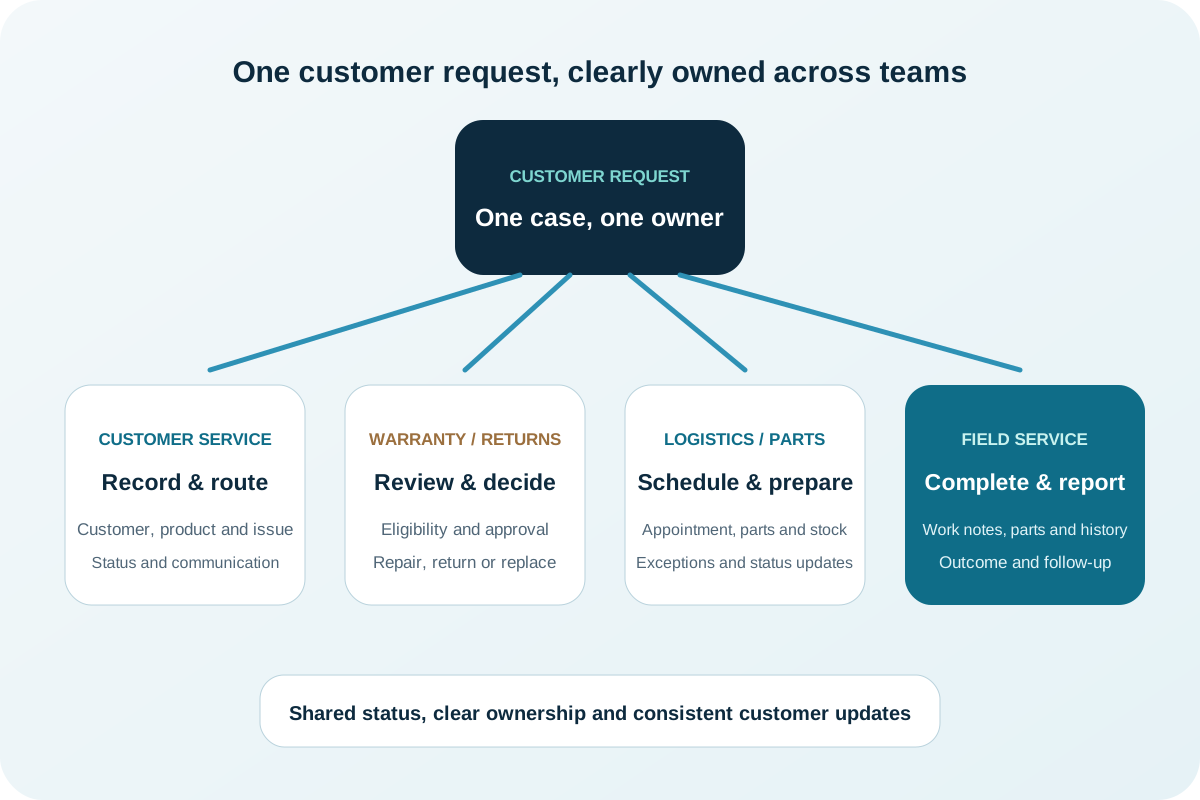
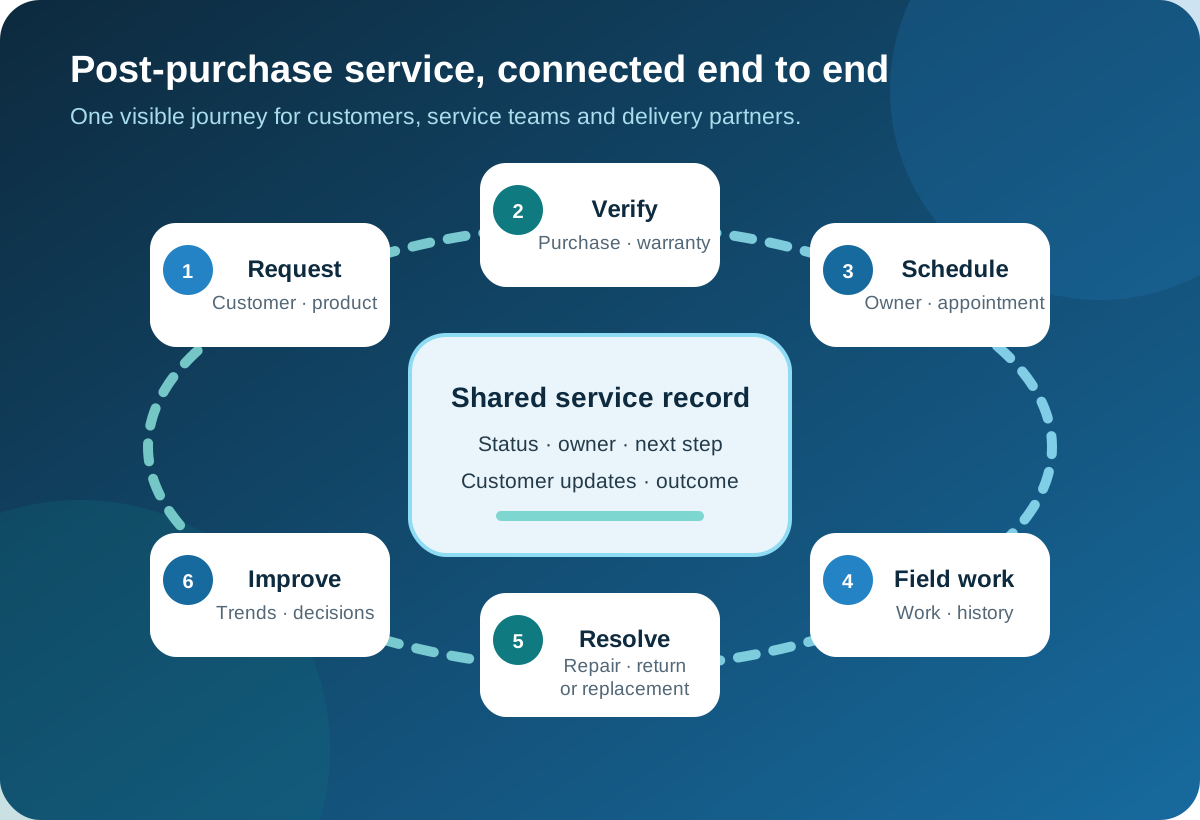
The service journey should show who is responsible, which record matters and what happens next.
Customer request
Record the channel, customer, product and reason once.
Customer and product identification
Confirm the account, order, product identifier and service history.
Warranty or return validation
Use registration, proof of purchase, policy and authorised judgement to select the valid path.
Triage and service decision
Keep the decision, reason and approving owner visible.
Scheduling and dispatch
Match location, skills, appointment, parts and service obligation before dispatch.
Technician or field action
Capture arrival, notes, parts, progress and the proposed outcome.
Parts and exceptions
Show parts availability, approval delays, failed visits and follow-up.
Completion and customer update
Record the outcome, follow-up owner and customer update together.
Reporting and improvement
Review demand, unresolved work, repeat issues and product patterns.
Related records, clear ownership
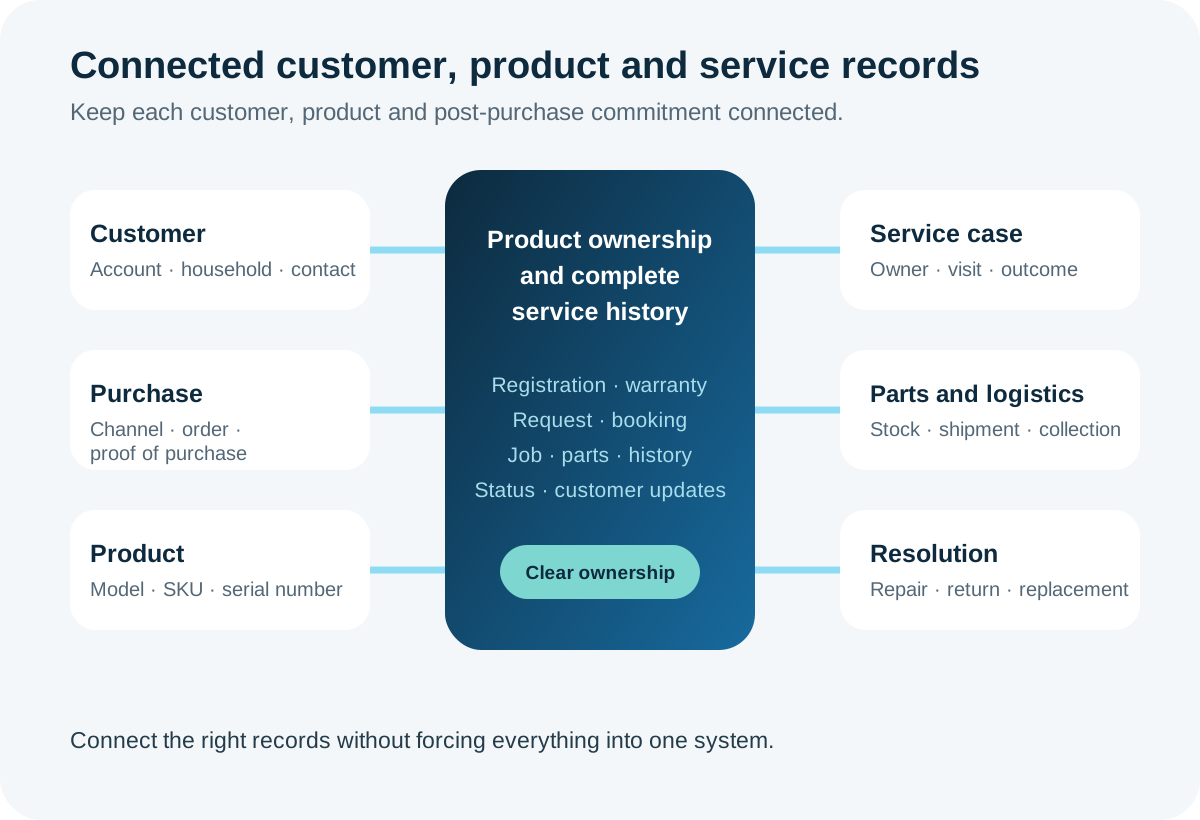
A useful service view relates the person to the item they bought and the obligation that follows.
Reliable identifiers, record ownership, synchronised status and traceable history matter more than forcing every record into one application.
Warranty and returns
Product registration, proof of purchase, entitlement, assessment and approval may sit in different systems. The workflow should preserve authorised judgement and show the next action.
Connect product, purchase and policy information before repair or replacement is promised.
Record whether the next path is repair, return, replacement, refund, escalation or further assessment.
Align the customer update with the latest approval, appointment, parts and logistics status.
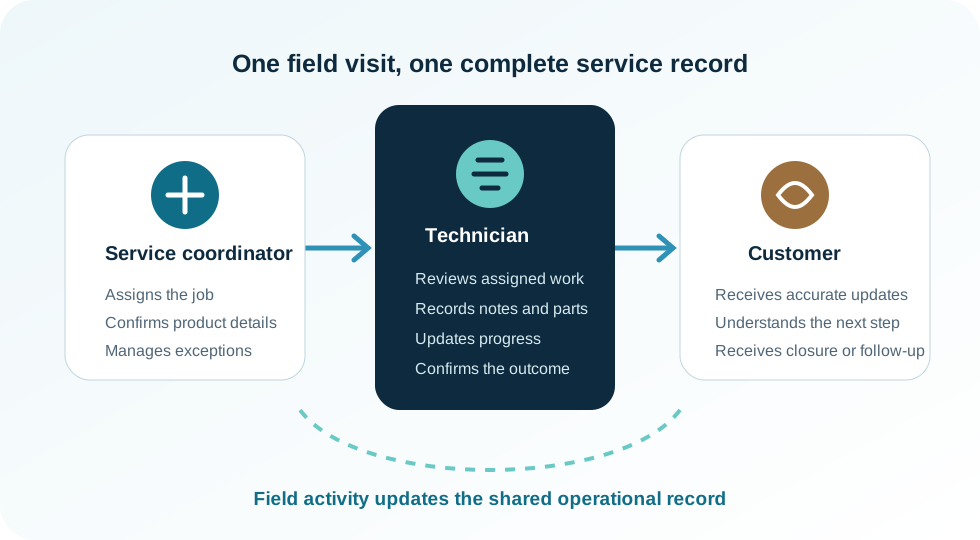
Field-service and technician workflow
A technician interface is one part of the service operation, not the complete platform.
Products and engineering routes
Twin CRM manages service work and relationship history. PangoCDP supports approved customer-data activation. Bespoke integration connects commerce, ERP, product, logistics and field systems.
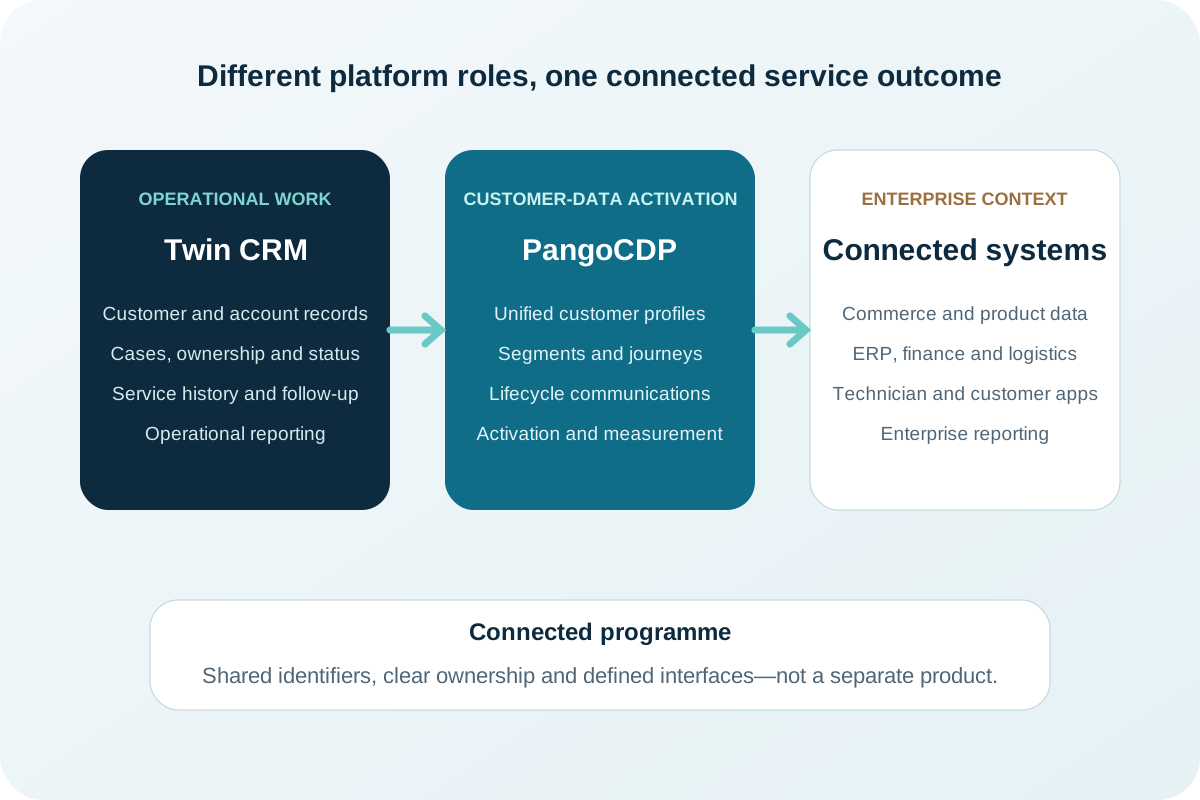
Enterprise reporting
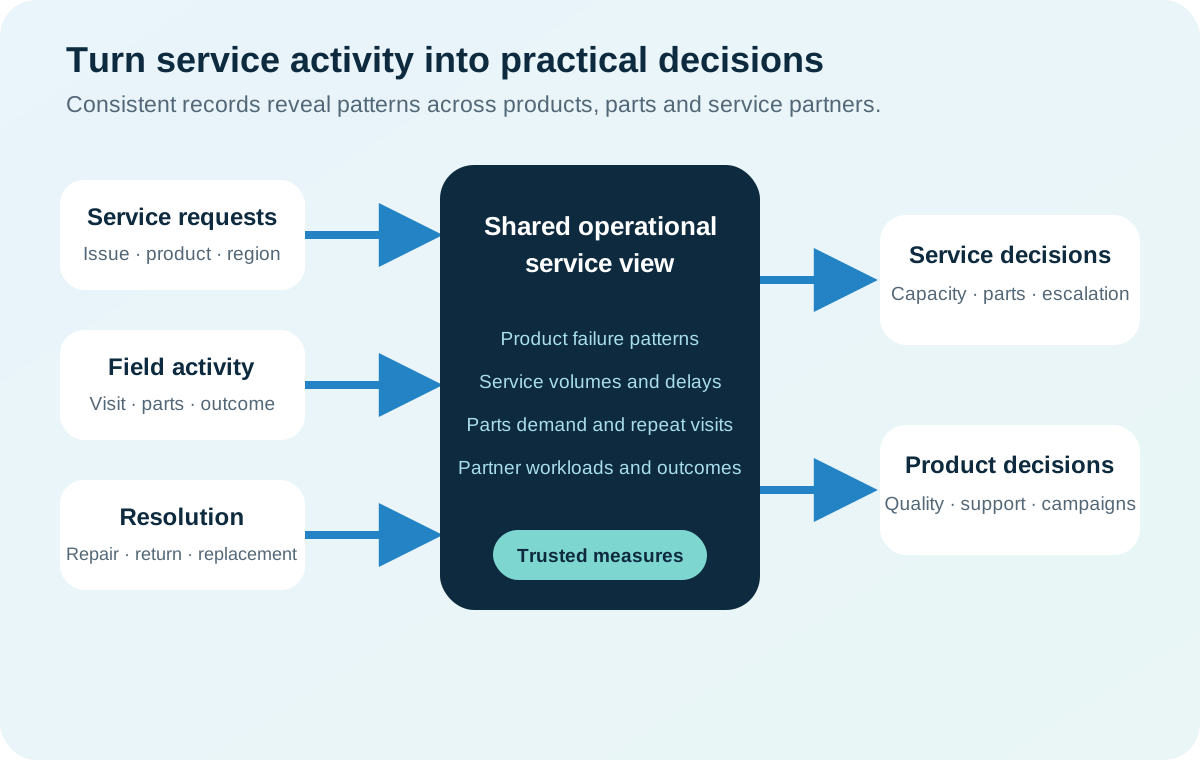
Consistent records make it possible to compare customer demand, product issues, warranty activity, unresolved work, technician load and partner outcomes using agreed definitions.
Demand, open work, repeat visits and regional pressure.
Issues by model, identifier, service reason and outcome.
Assignment, progress, exceptions and completion status.
Shared reporting across teams, partners and business units.
Relevant customer projects
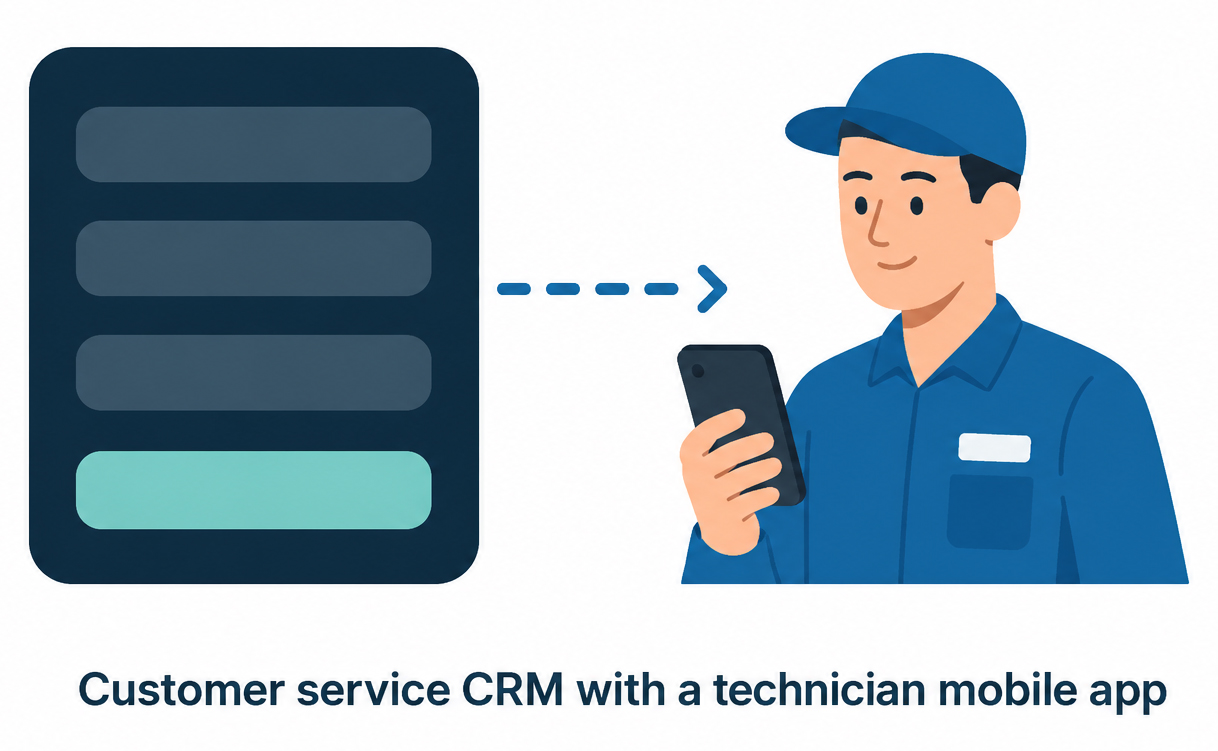
In the Unilever Pureit programme, Twin connected customer and product records with central job management, technician updates, completion status and operational reporting.
View the Unilever Pureit story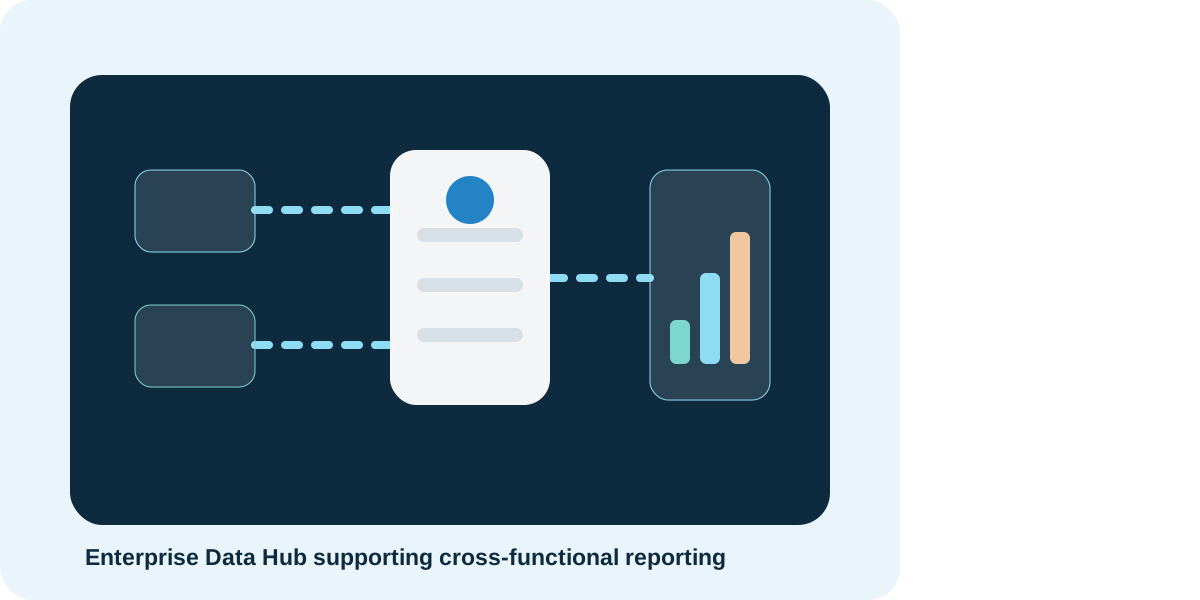
An Enterprise Data Hub brought enterprise sources into a governed foundation for cross-functional reporting.
View the Data Hub storyThe service obligation
Bring one current service journey, the records it depends on and the systems involved. We can map where ownership, status or customer communication breaks down.