Central direction
Manufacturers and distributors set programmes, route demand and need network visibility.
Automotive and Dealer Networks · Customer and vehicle lifecycle
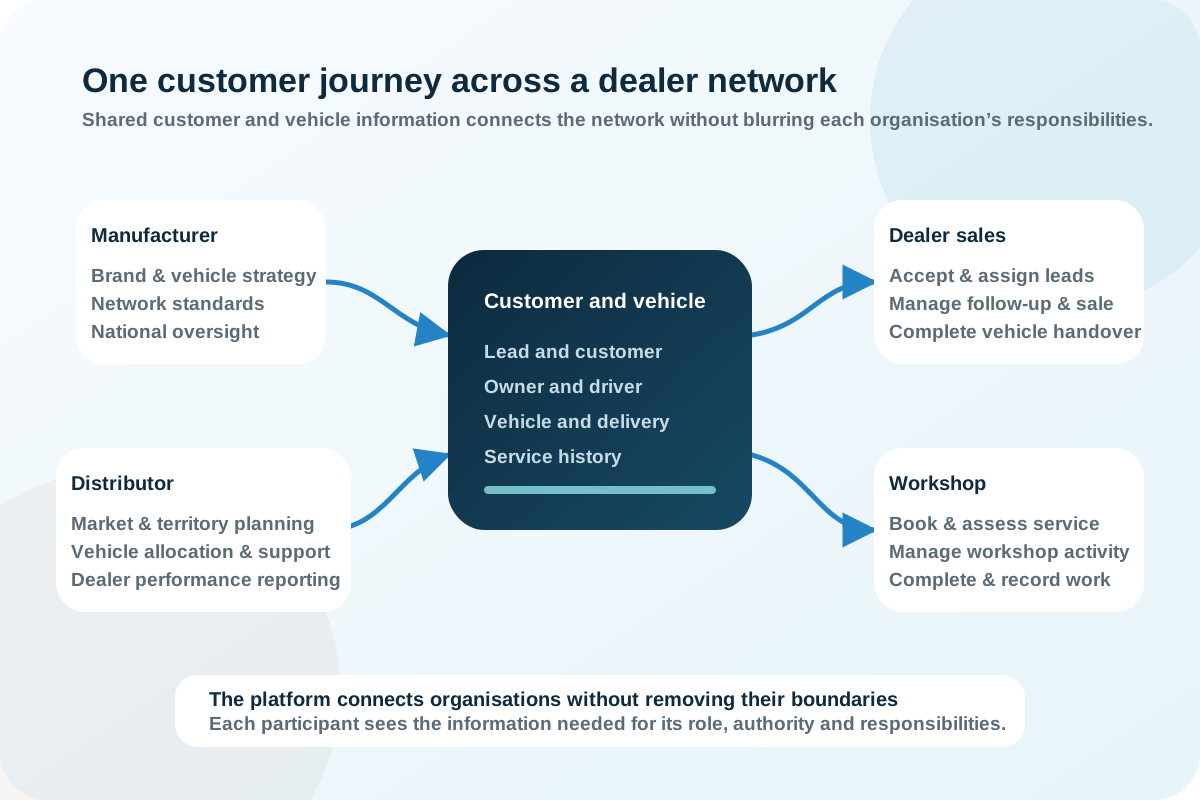
One lifecycle can involve a manufacturer, distributor, dealer, salesperson, owner, driver, service adviser and workshop.
Twin helps keep responsibility and context visible as the relationship moves from enquiry to ownership and service.
A network of distinct responsibilities
Policy, customer relationships, vehicle information, sales action, workshop events and reporting may sit in different places.
Manufacturers and distributors set programmes, route demand and need network visibility.
Dealers and frontline teams are responsible for assigned work, customer contact and local outcomes.
Owner, driver, vehicle and dealer relationships must remain connected when responsibility changes.
Three connected operating loops
Sales, ownership and service rely on different records, responsibilities and failure controls across the dealer network.
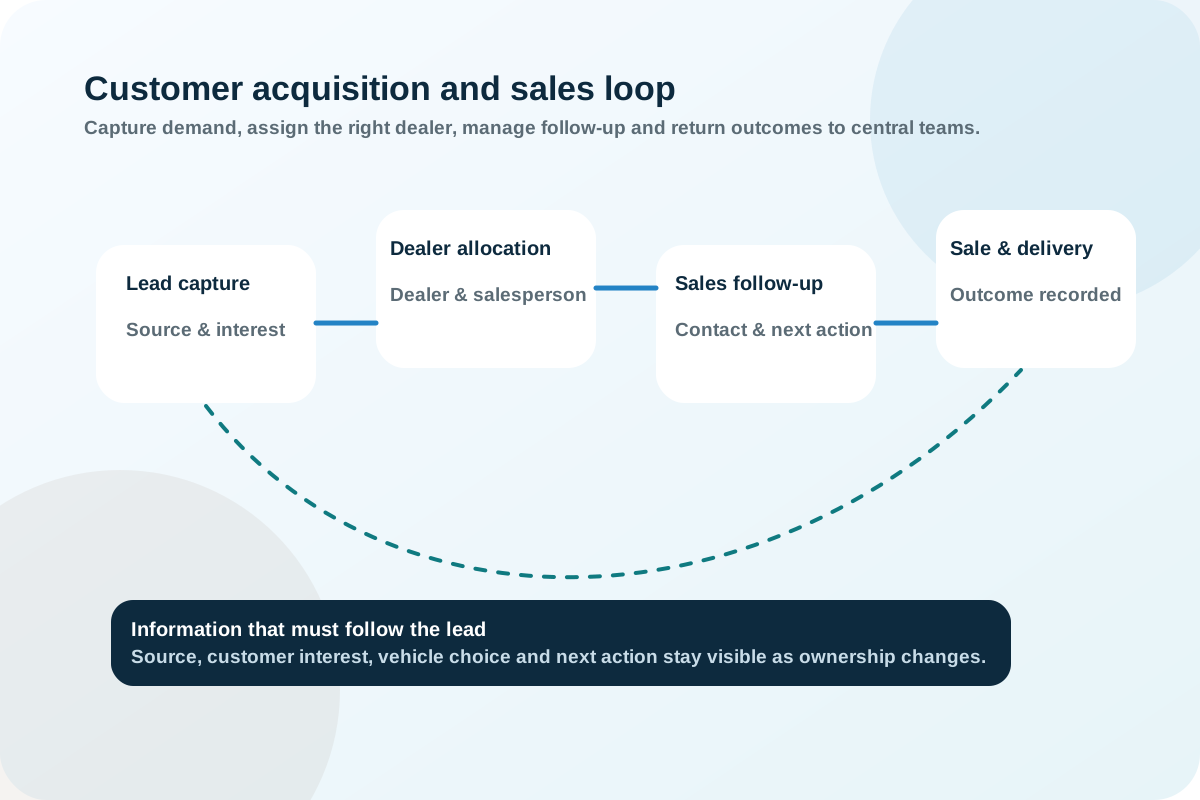
Acquisition and sales
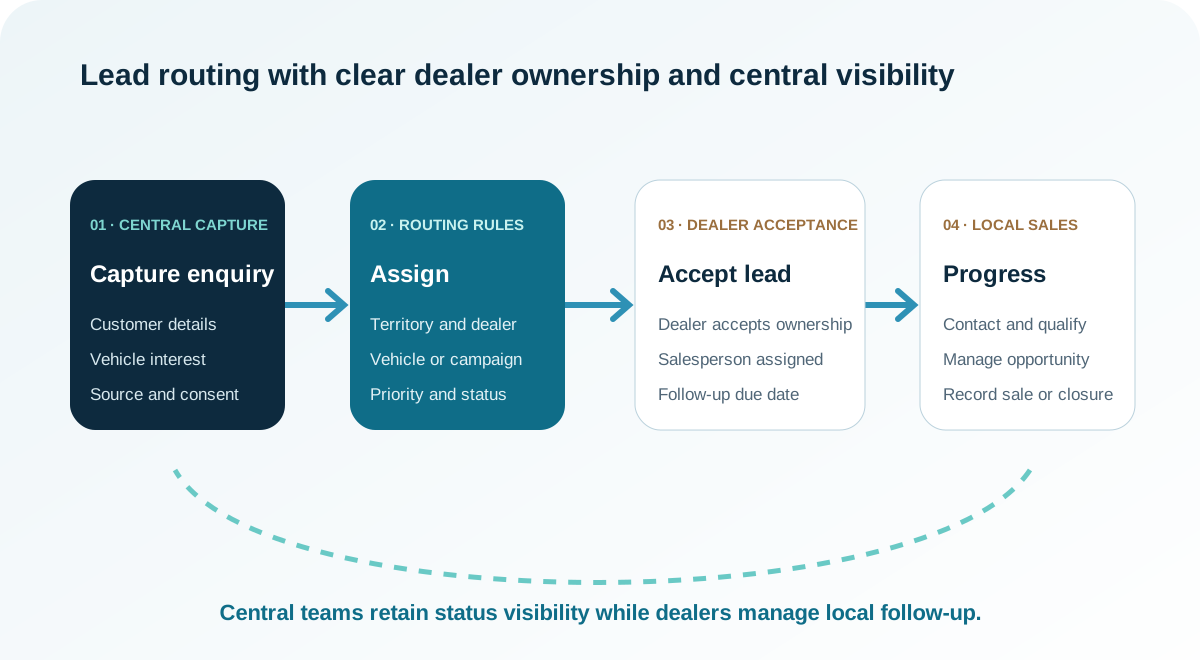
Central capture, geographic or model-based routing, dealer acceptance, consultant assignment and delivery hand-off should remain traceable.
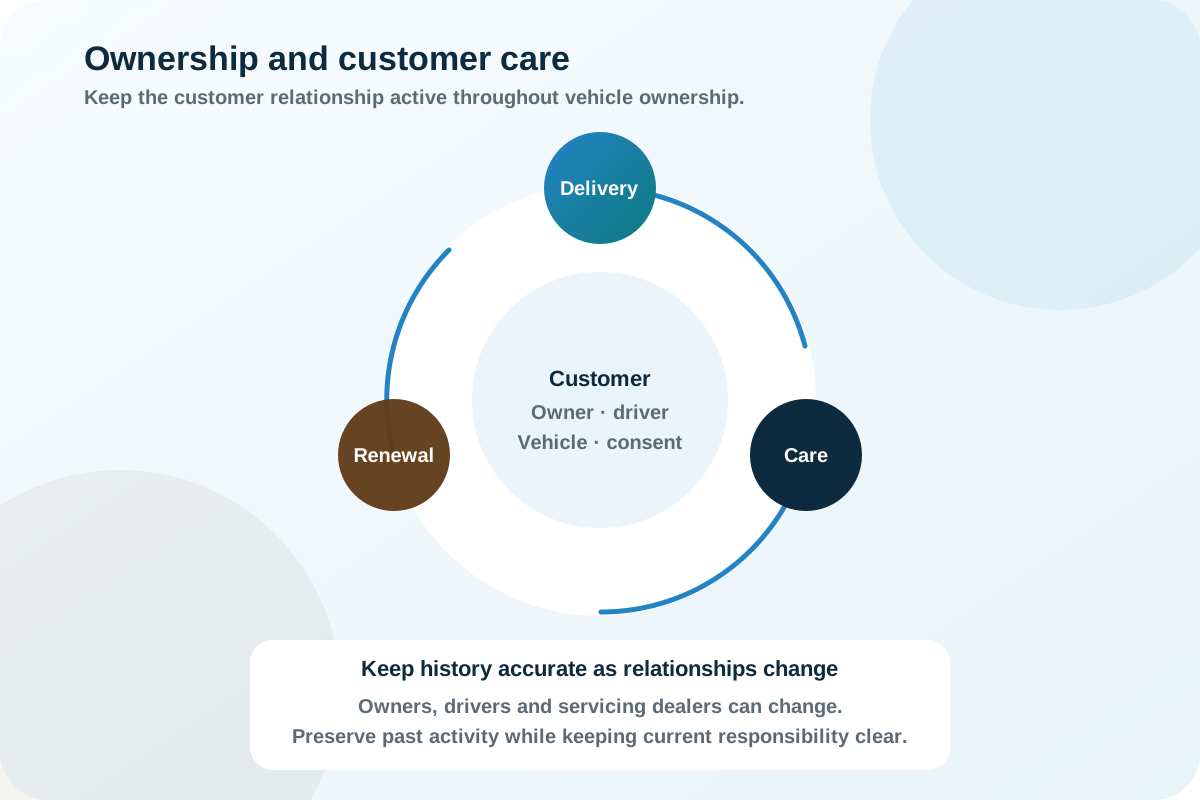
Ownership and customer service
Onboarding, service reminders, customer support, dealer interaction and ownership changes need a continuing history.
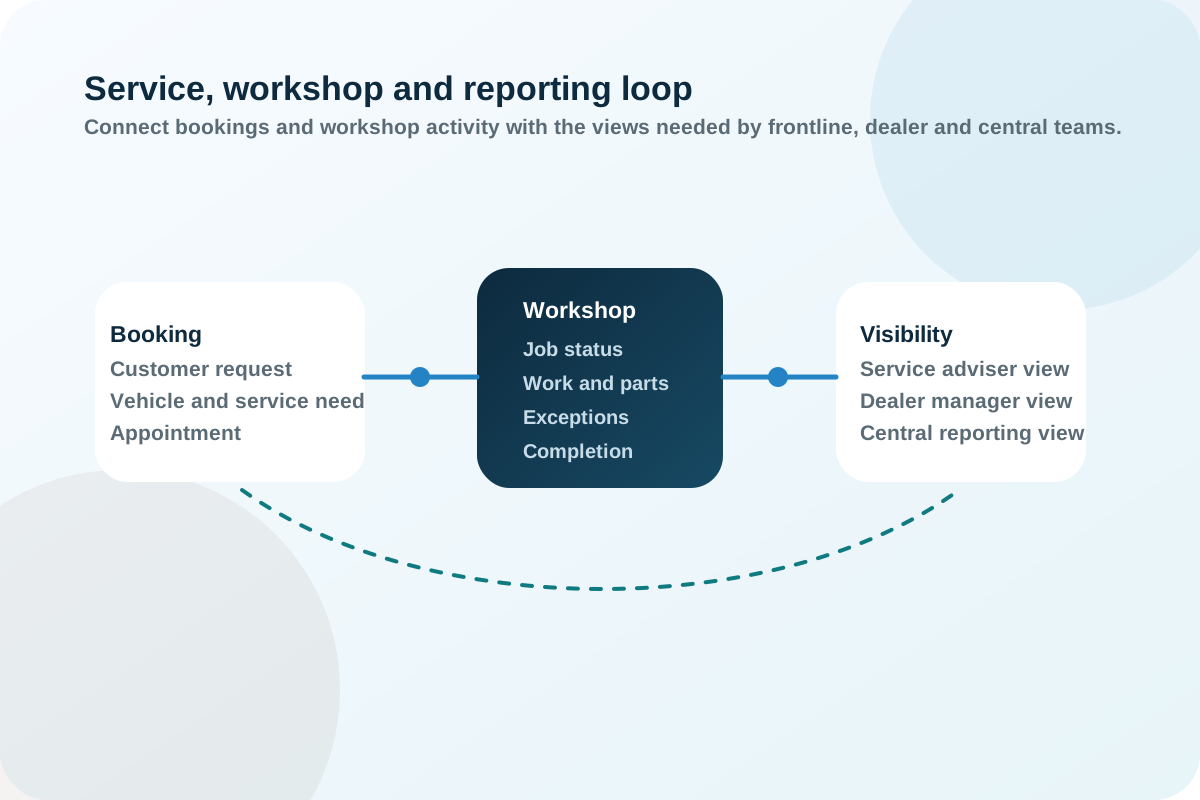
Workshop, service and reporting
Bookings, workshop jobs, warranty context, technician activity, status and completion should support both local action and network reporting.
Acquisition and sales selected.
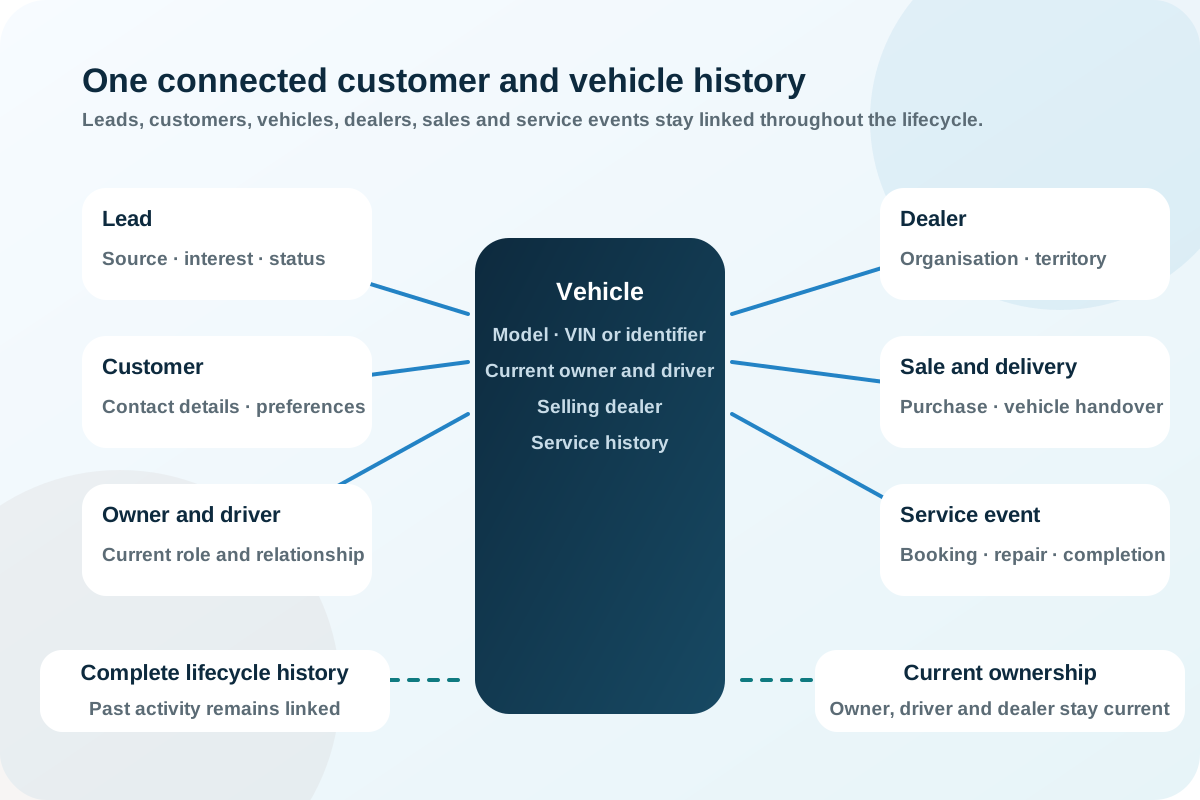
Customer and vehicle continuity
One person may own several vehicles, drive a vehicle they do not own, act for a household or business, or change dealers over time.
The architecture should preserve those relationships without claiming one universal data model for every automotive organisation.
Customer identity and lifecycle architectureLead routing and sales hand-off
A distributor may capture demand centrally while the dealer remains responsible for acceptance, consultant assignment, follow-up and delivery.
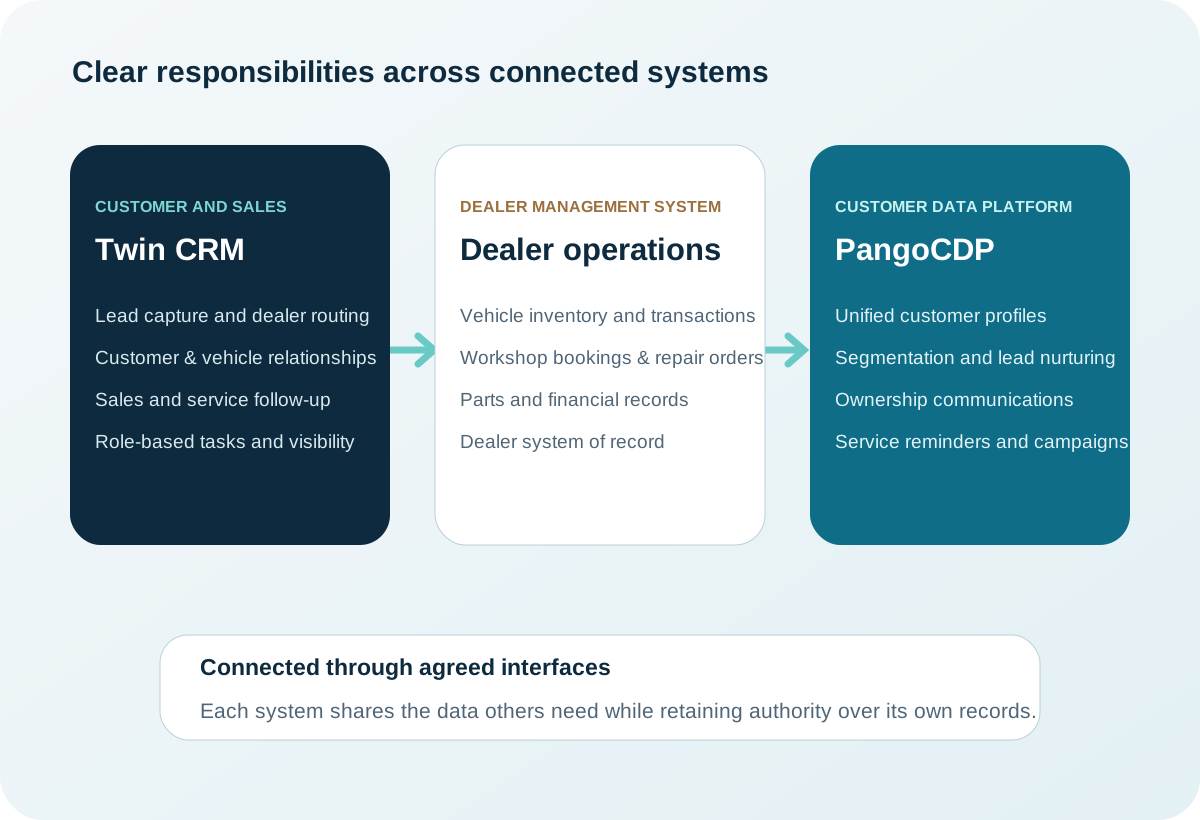
CRM, customer data and dealer systems
Supports leads, customer and vehicle relationships, dealer routing, sales and service follow-up, communication and role-specific workflows.
Explore Twin CRMMay remain the system of record for dealer transactions, inventory, repair orders, workshop activity, parts and dealer financial records.
Integration engineeringSupports customer-data unification, segmentation, lead nurturing, ownership communication, service reminders and activation where relevant.
Explore PangoCDPA combined programme connects these roles through agreed identifiers, ownership and interfaces. It is an architecture, not another product.
Central versus dealer reporting
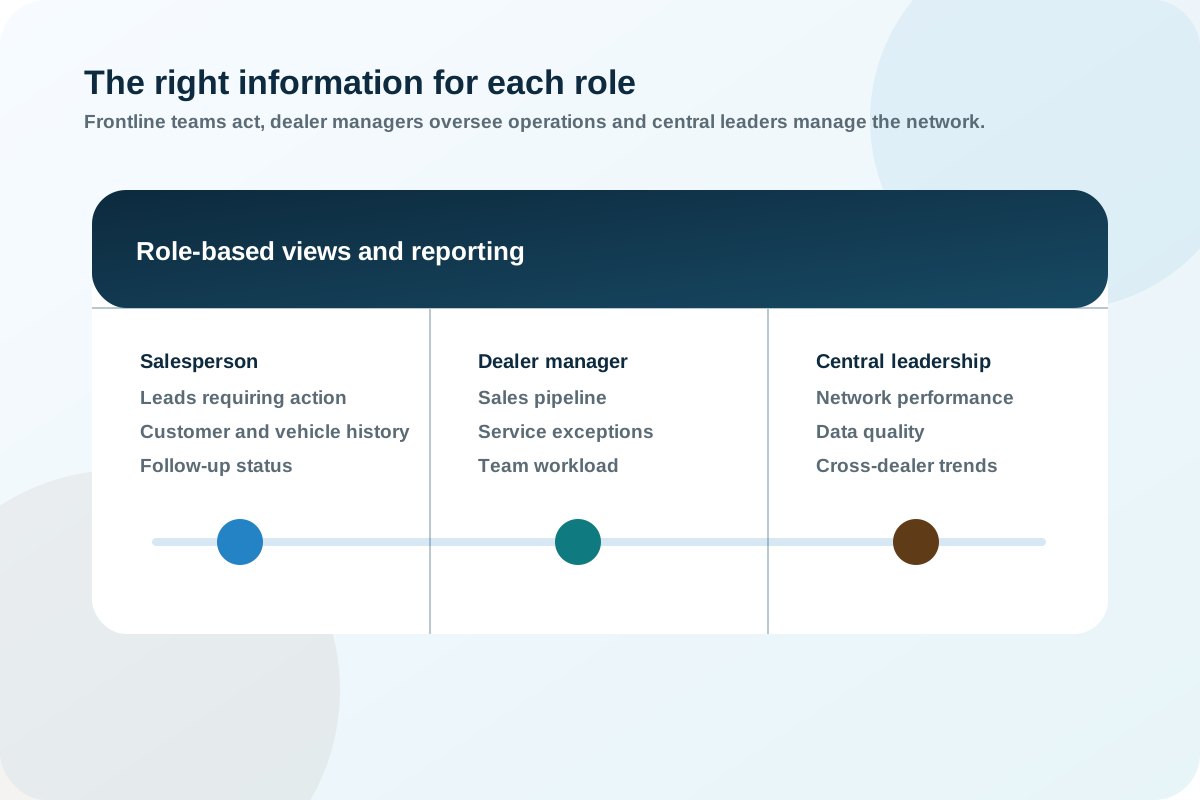
Dealer teams need assigned work and local queues. Central teams need network patterns, lead acceptance and lifecycle trends without exposing one dealer’s operational data to another.
Assigned leads, customer and vehicle context, next actions and permitted history.
Local pipeline, hand-offs, workshop activity and outstanding service work.
Network coverage, allocation outcomes, dealer trends and data-quality exceptions.
Featured automotive project
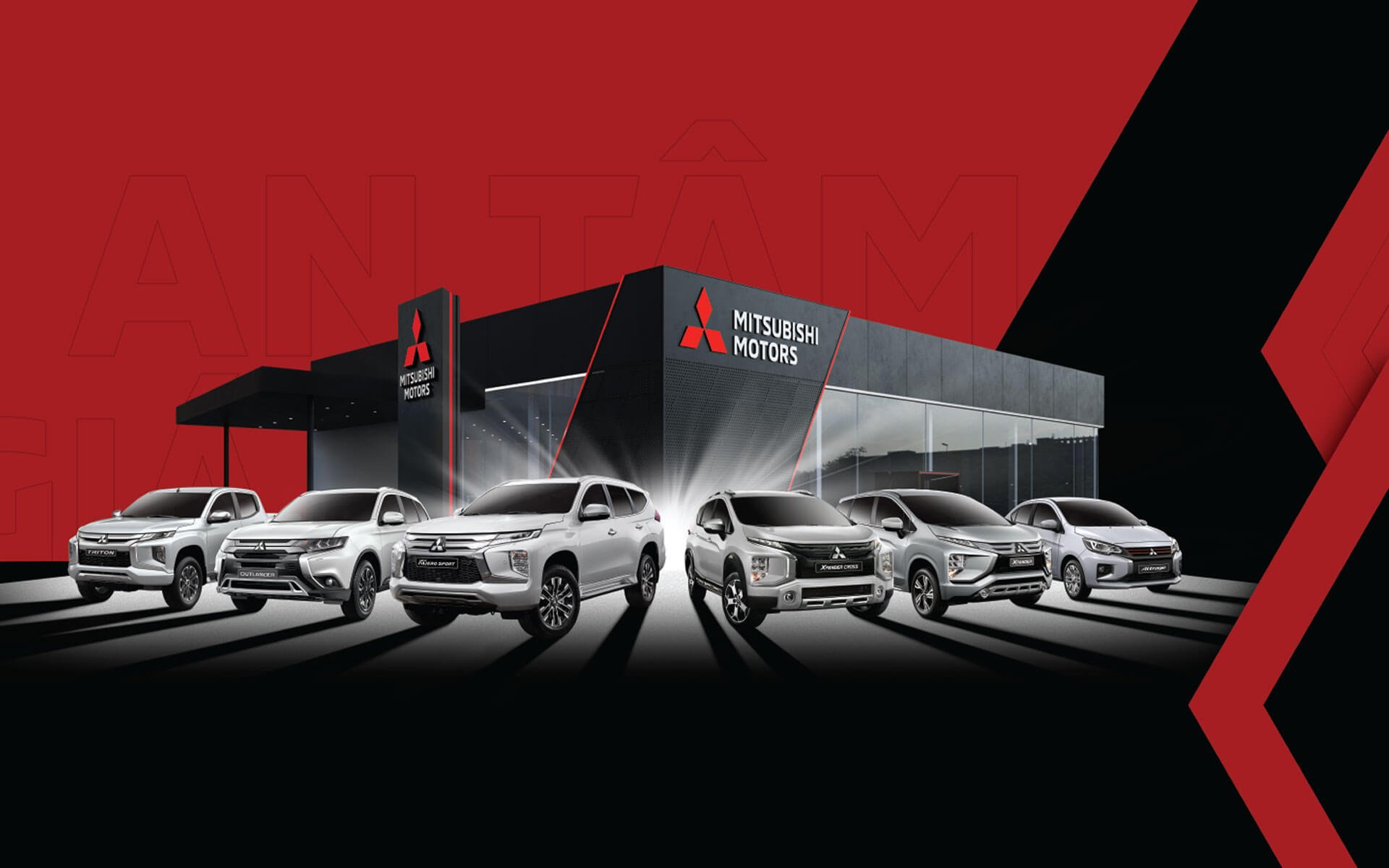
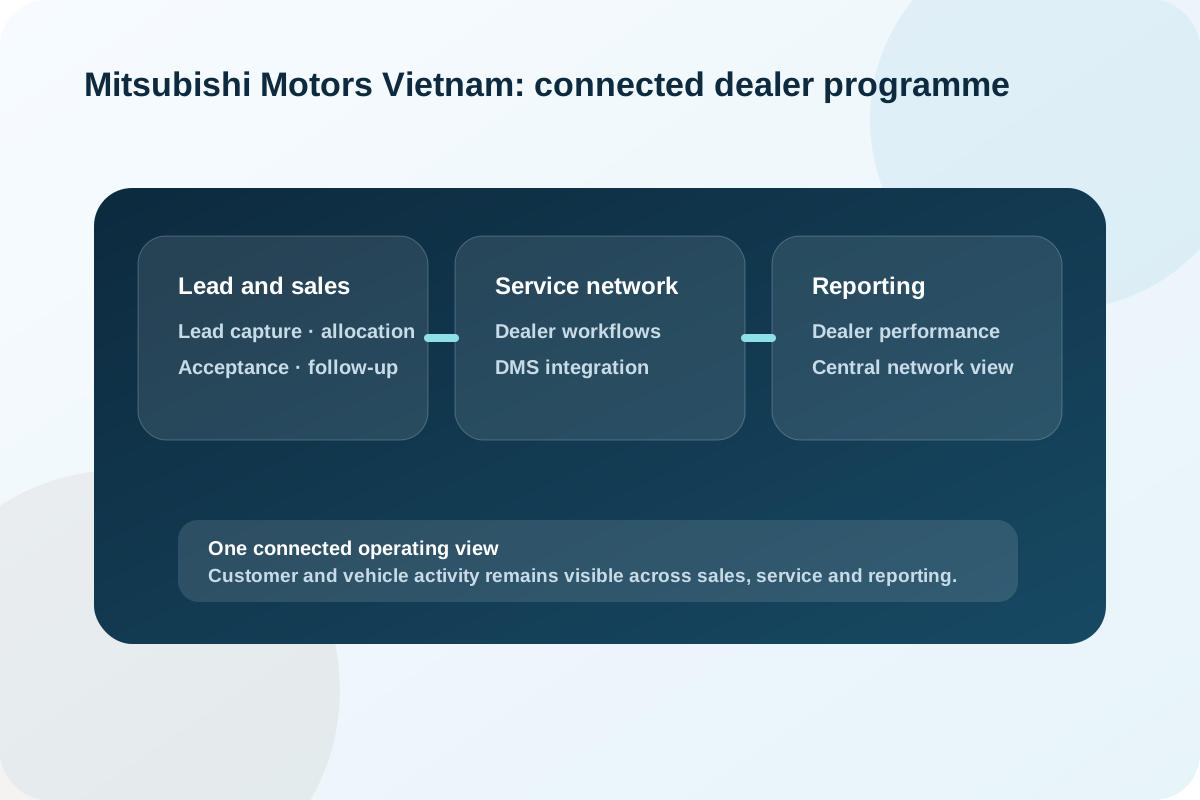
For Mitsubishi Motors Vietnam, Twin delivered a connected programme spanning lead and customer management, dealer workflows, sales and after-sales service, customer-facing applications, Dealer Management System integration and role-specific reporting.
The full customer story explains how these capabilities worked together across the manufacturer, dealer network and customer lifecycle.
Lifecycle and system map
Bring the current lead routes, dealer roles, vehicle records and system boundaries. We can identify where ownership, hand-offs or reporting lose context.