Customer-data collection
Bring relevant signals into a governed foundation
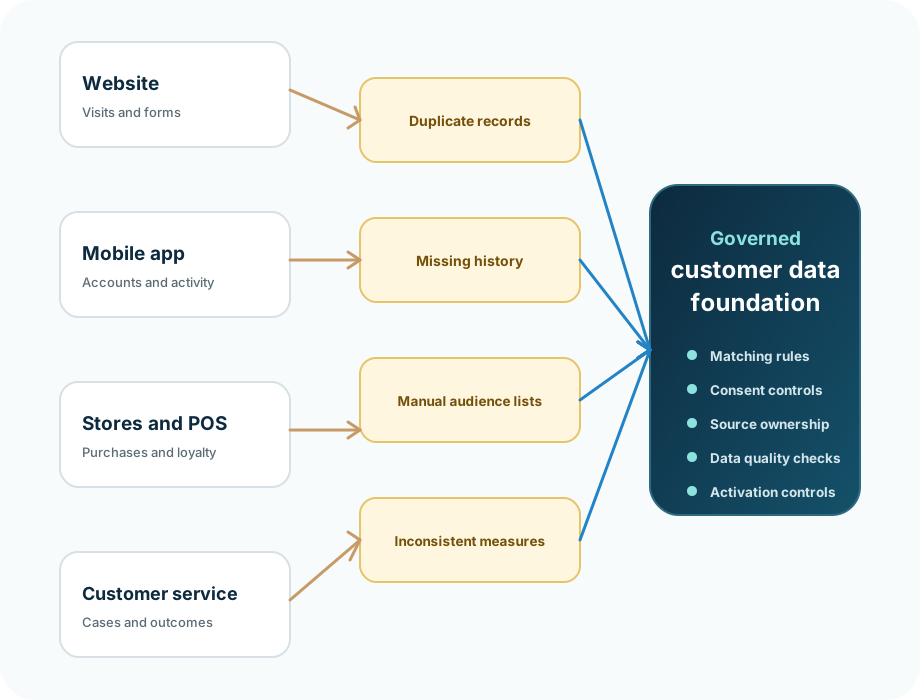
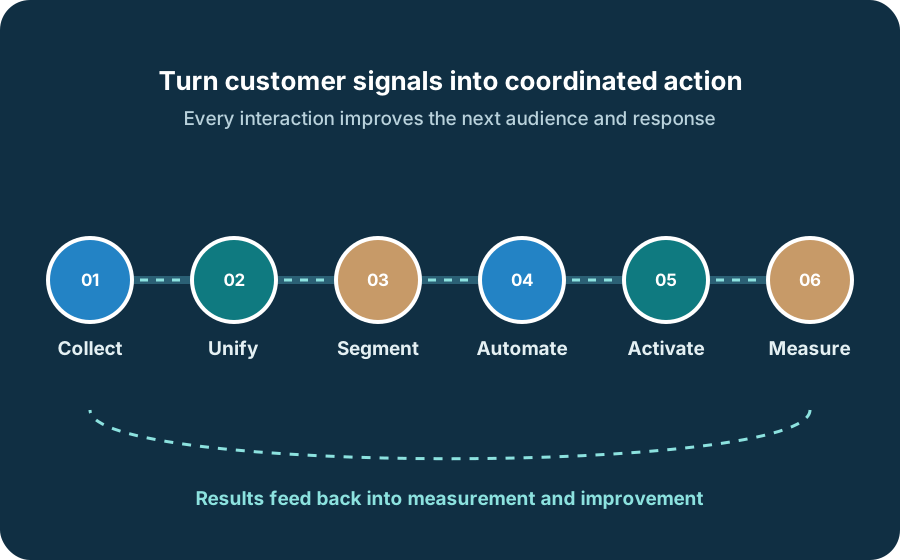
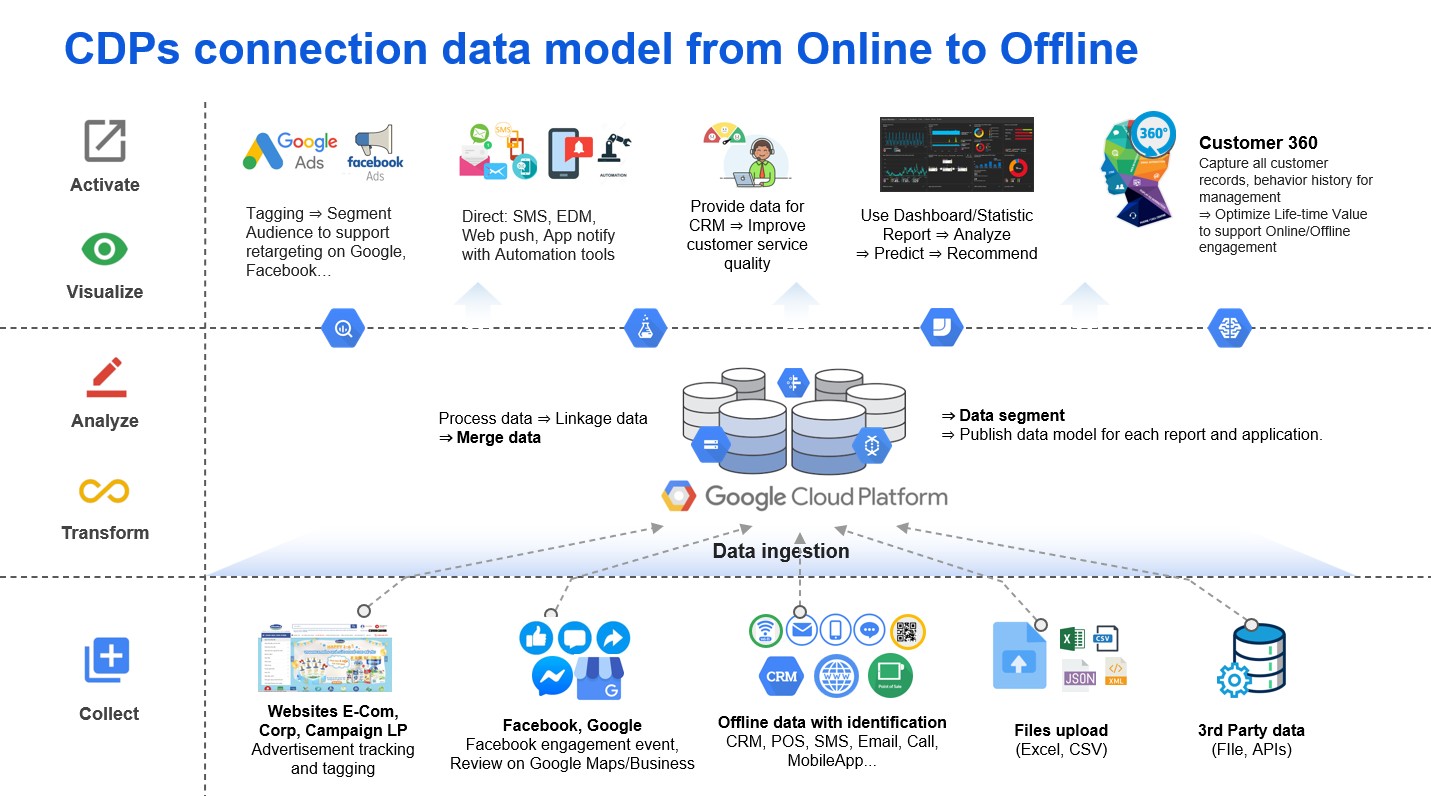
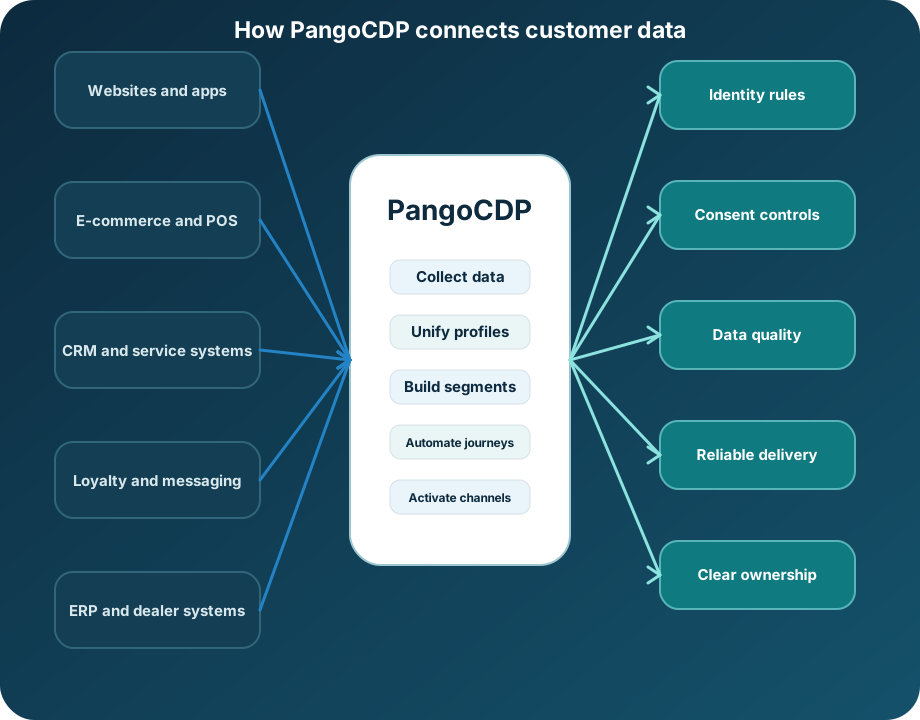
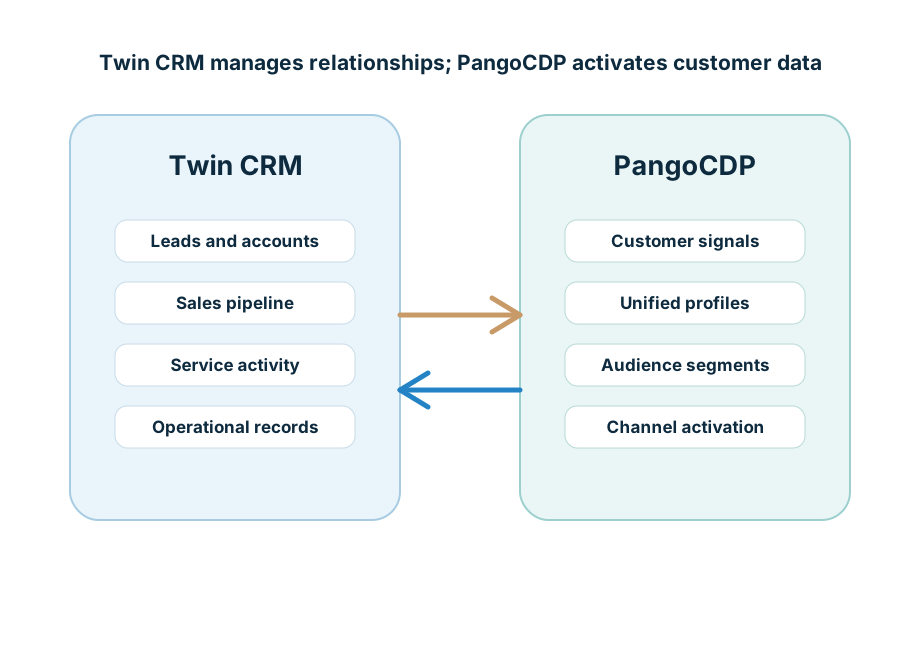
Connect approved events and attributes from websites, mobile applications, commerce, point of sale, CRM, loyalty, service, messaging and other enterprise sources. Existing connectors, APIs and scheduled data exchange should be distinguished during discovery.
Profile unification
Resolve identities into a more useful customer view
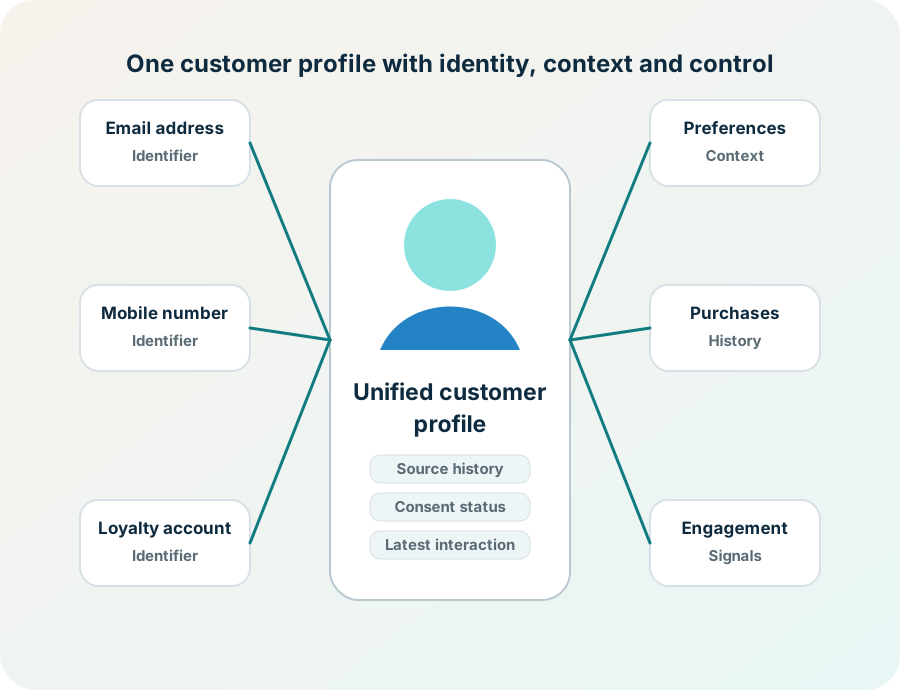
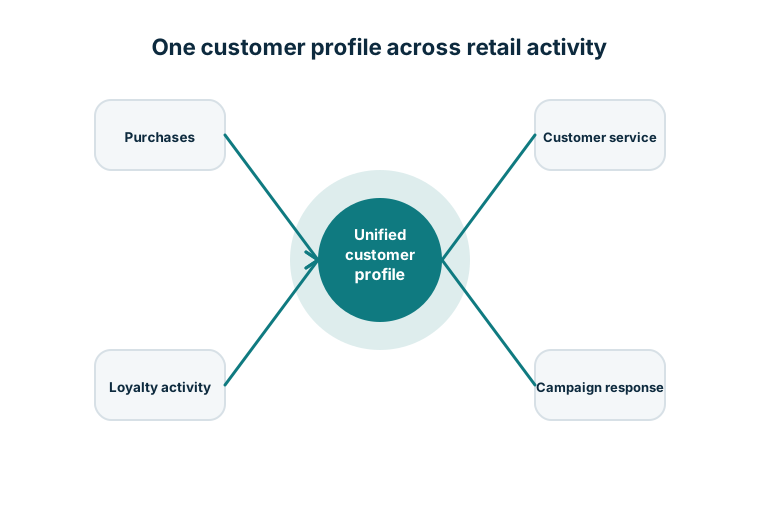
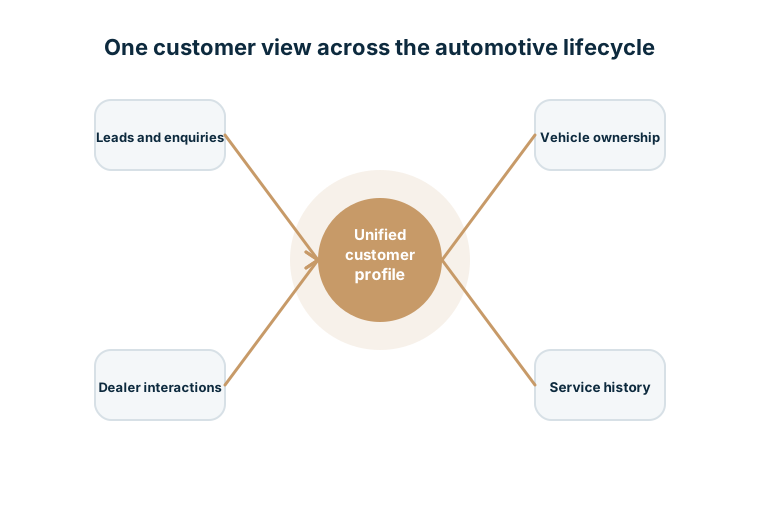
Match agreed identifiers, reduce duplicate profiles and relate preferences, interactions and purchase or service history. Join known and anonymous behaviour only where functionality, consent and identity rules allow it.
Segmentation
Create audiences around behaviour and business meaning
Define dynamic groups using lifecycle, value, recency, intent, engagement, location, product interest or other available criteria. Reusable audience definitions help teams work from a consistent interpretation of the customer.
Automation
Respond to customer events with controlled journeys
Use triggers, conditions and timing for nurturing, reminders, service communication and campaign sequences, with agreed frequency, consent and exclusion rules.
Customer activation
Put audiences and next actions into connected channels
Activate through approved messaging, email, advertising, loyalty, commerce, website, application, CRM or service destinations. The exact route depends on supported integrations and the organisation’s channel architecture.
Measurement
Use journey response to improve the next decision
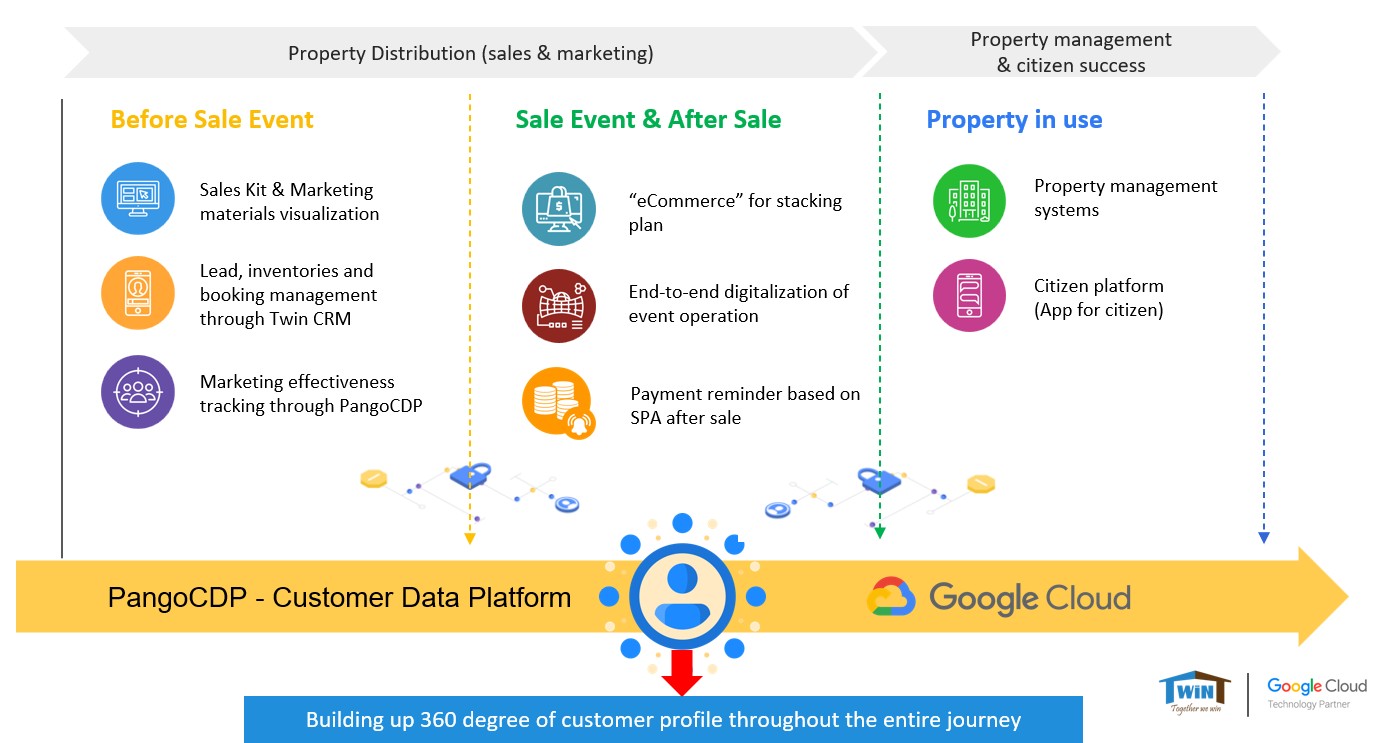
Relate audience, channel and campaign performance to the customer-data foundation so teams can compare journeys and improve the next decision.