
Operational platforms · Workflow systems · Portals · Modernisation

Modernise complex operations without replacing what still works

Critical work often spans spreadsheets, email, legacy applications and manual approvals. The real problem is the hidden hand-offs and exceptions between them.

Twin Global maps the operation, then decides what to retain, configure, integrate or build. Modernisation can proceed in stages while essential services continue.

Systems Integration & Cloud Engineering
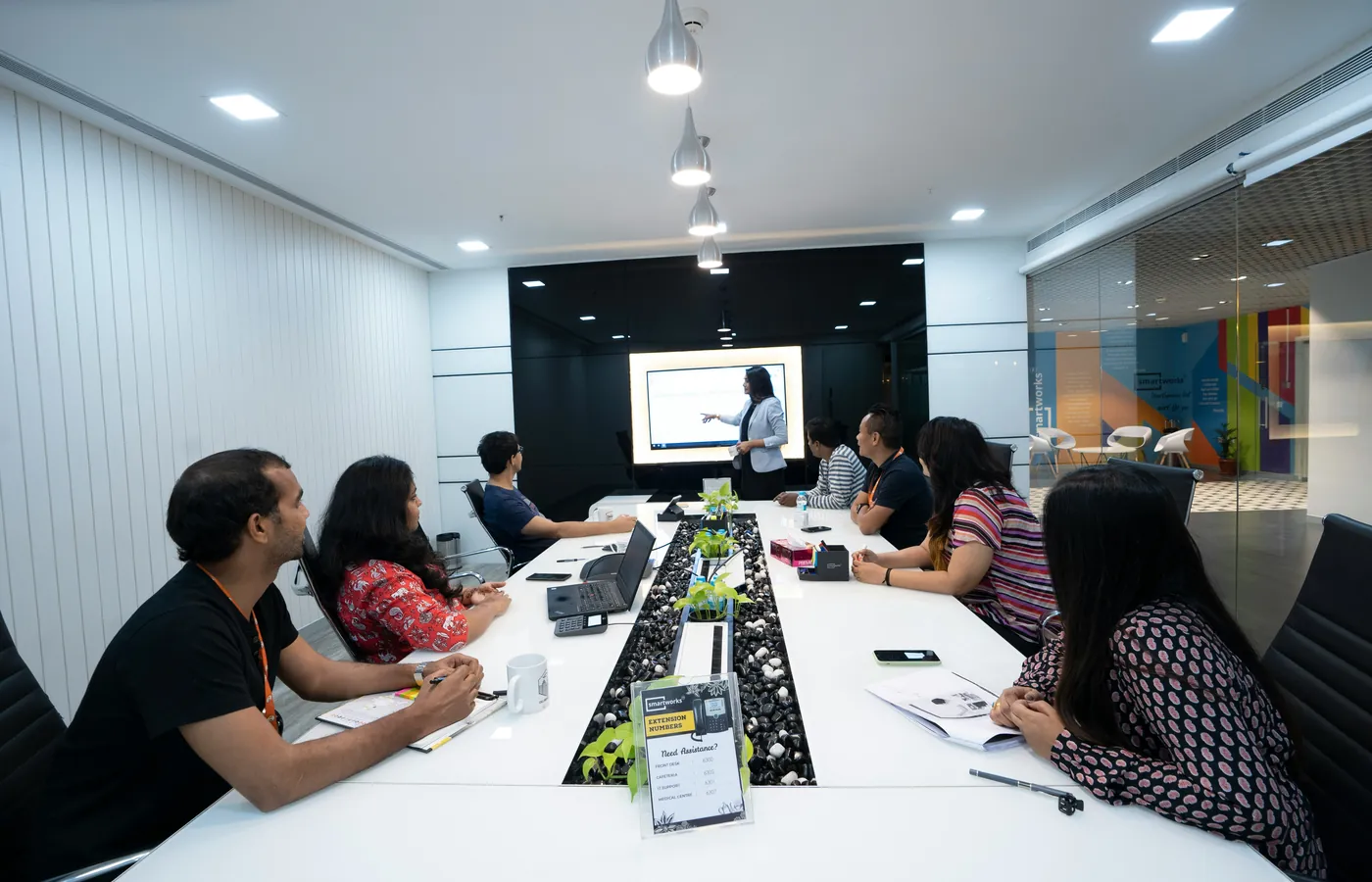
An operations team mapping decisions, hand-offs and exceptions on a shared screen
One shared process
  1. 01 Request Capture the context
  2. 02 Review Assign responsibility
  3. 03 Decision Apply rules and authority
  4. 04 Outcome Complete and report

Use custom engineering only where it adds value

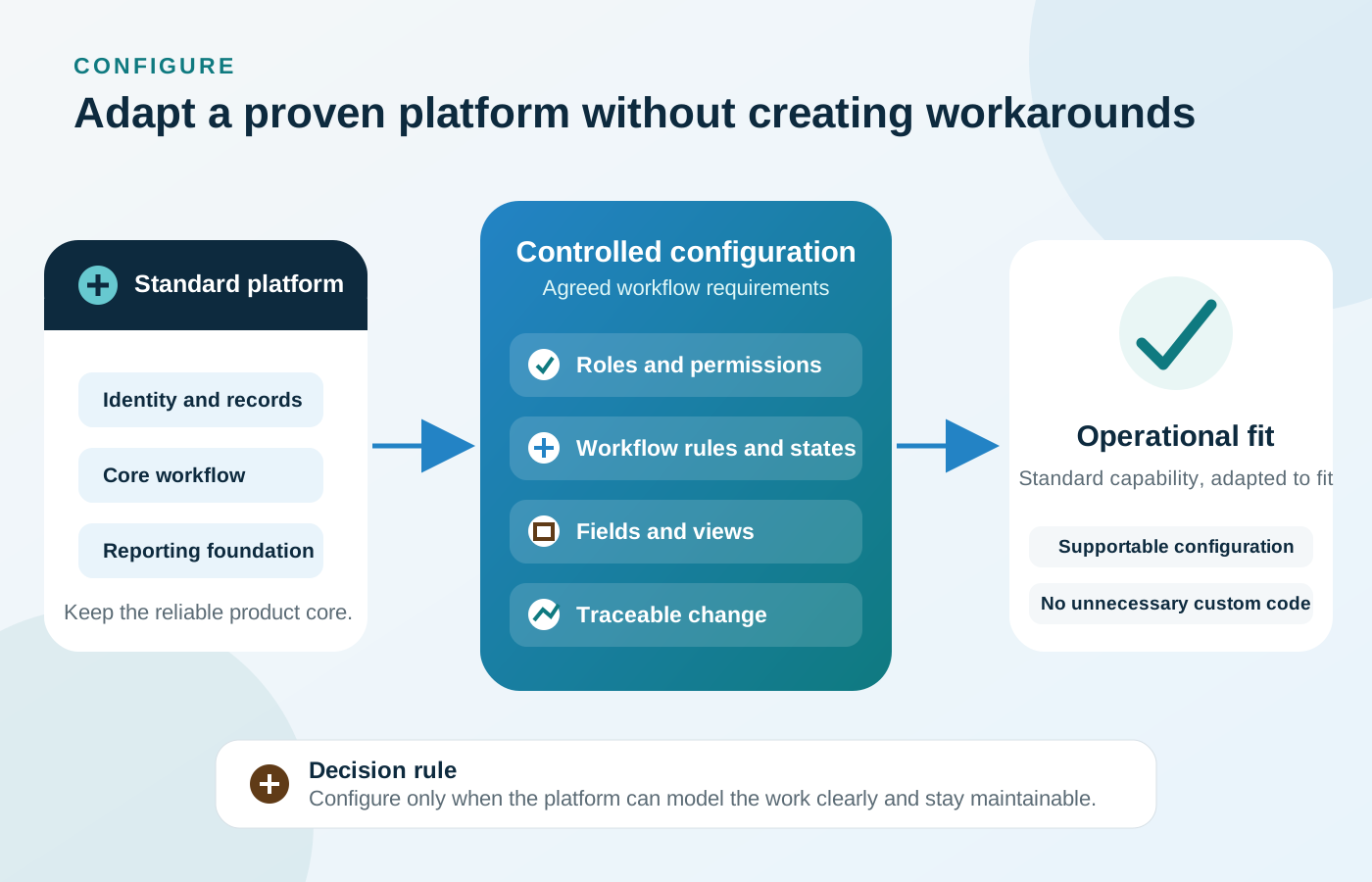
Retain, configure, integrate or build

Packaged software suits many common functions. It becomes limiting when the workflow is distinctive, several user groups share one process or teams depend on permanent workarounds.

We assess four options together. The goal is operational fit and long-term maintainability—not custom software for its own sake.

Retain what already works

Keep dependable systems inside the future platform

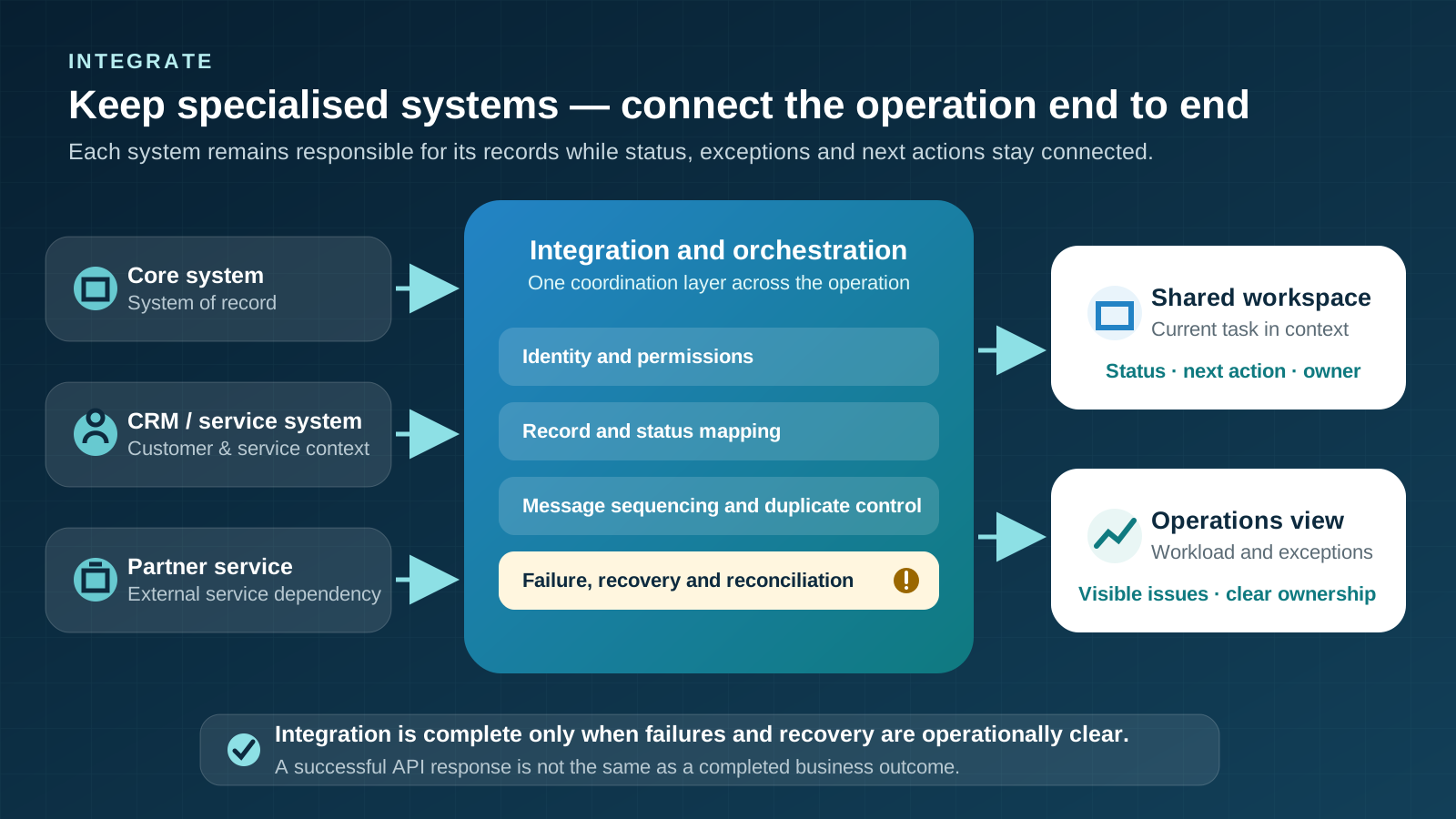
Keep reliable systems when they still serve the operation. We identify the records and controls that should remain, then define what each system owns and how it connects.

  • Preserve stable operational capability.
  • Keep the system of record and interfaces clear.

Turn process knowledge into a workflow people can follow

Make every next step clear as work moves

The platform must represent ownership, required information, rules and the response when the normal path breaks.

Task views, status changes, approvals and exception queues show what happened, what is needed next and who must act.

Before

The real process sits between the tools

Email Spreadsheet Legacy app Manual approval ?
  • Ownership changes in messages and meetings.
  • Status and exceptions depend on several sources and individual memory.

Hand-offs and exceptions

Make ownership visible when work changes hands.

A connected workflow should show the current owner, required information, expected next action and escalation route. It should be equally clear when the normal path breaks.

Routine hand-off

The next team receives complete context

The platform transfers responsibility only when the required information and conditions are present.

  • Current owner and receiving owner
  • Required information complete
  • Status and due time visible
  • Next action clearly assigned

Operational control

Give every exception an owner and a resolution path.

Exception queues should show why work stopped, who must act and when escalation is required. Managers gain a practical view of ageing work and blocked cases without rebuilding the story from messages and spreadsheets.

OwnerWho is responsible now?ReasonWhy did the workflow stop?Next actionWhat can move it forward?EscalationWhen does intervention begin?

Coexistence and migration

Let old and new systems operate together without losing control.

A staged programme may need both environments to run for a period. The design should define which system owns each record, how updates are shared, which users work in each platform and how historical information remains available.

Migration should be validated in controlled groups before cutover. Reconciliation, user transition, retirement criteria and a practical rollback route reduce the risk of moving a critical operation all at once.

Staged replacement

Change the operation in manageable stages.

Begin where operational value and risk are clearest. Stable capability can remain while high-friction workflows move first.

Prove each stage before expanding. This protects service continuity and gives the organisation confidence for the next decision.

  1. 01
    Stabilise and expose risk

    Make records, dependencies, ownership and current failure points visible.

  2. 02
    Introduce the highest-value workflow

    Move a defined process into the new platform while required systems remain connected.

  3. 03
    Migrate in controlled groups

    Validate data, roles and operating behaviour before expanding to more users or functions.

  4. 04
    Retire only when ready

    Remove obsolete components after acceptance, reconciliation and support arrangements are in place.

Maintainable platform evolution

Build the next change into the architecture from the start.

Clear boundaries, controlled configuration and testable interfaces make future changes easier to understand and support.

Modular boundariesKeep workflow, data and integration responsibilities clear.
Configurable variationUse controlled rules and templates where business variation is expected.
Clear interfacesMake dependencies and ownership understandable to future teams.
Testable releasesChange one area without losing confidence in the wider operation.

Delivered platform

Phu My Hung connects property discovery with the operations behind it.

The programme brought the customer-facing property experience together with the internal workflows used to manage listings, content and publishing—all within one connected platform.

Property discovery · Content · Enquiries

Phu My Hung

Twin connected customer property discovery and enquiries with the internal listing and publishing workflows needed to keep the experience current.

View the Phu My Hung story

Define the platform starting point

A practical starting point for platform modernisation

Discuss the workflow, systems and operational risk that your current environment cannot support effectively.

A confidential, high-level explanation of the operation is enough to begin.