

Healthcare · Pharmacy · Connected health · Life sciences
Make appointments, records and prescribing easier to manage.
Give patients a route to bookings and permitted records without reconstructing their history at each visit. Help health teams prepare, review and complete authorised work. Twin builds the applications and connects the services behind these tasks.
Begin with one service step. We can define its users, required information and acceptance checks, including what staff should do when a connected service cannot complete the request.
Healthcare service context
01Prescribing and pharmacy
02Connected health devices
03Patient and family services
04Specialist operations
Healthcare delivery experience
Which health service needs to work better?
Compare the task your service needs to improve with the work below: authorised prescribing, connected measurements, family records or appointment booking.
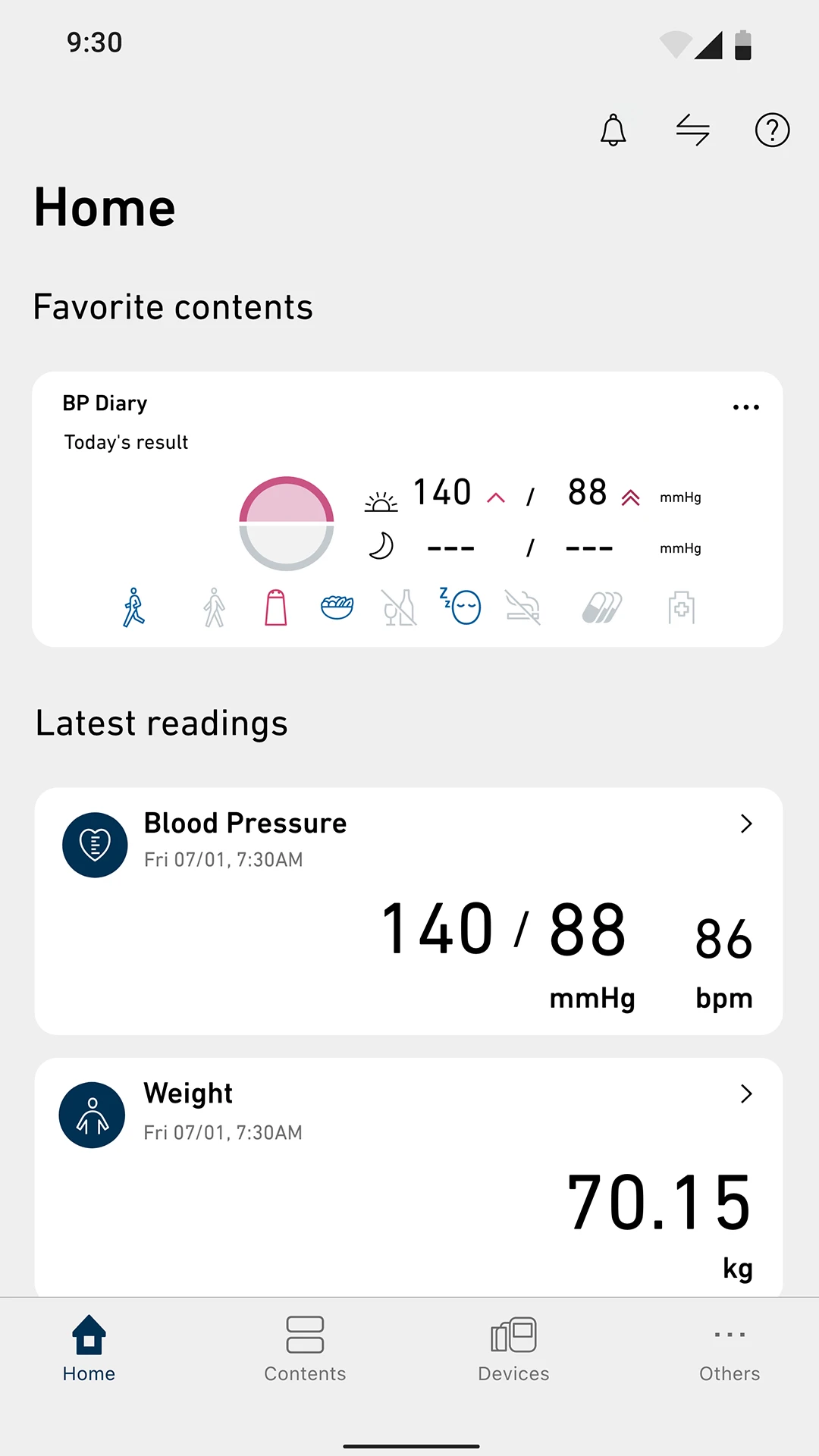
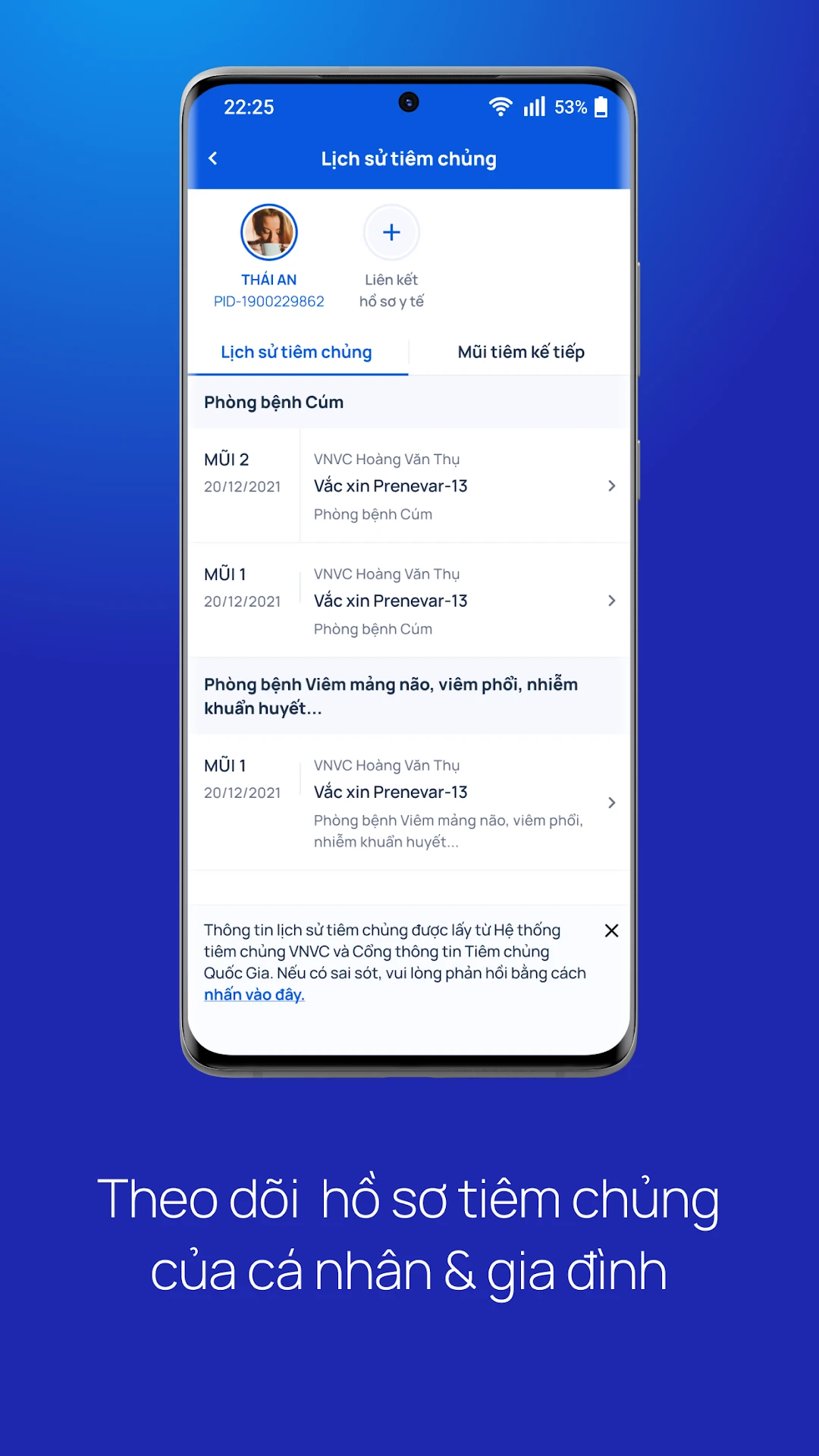
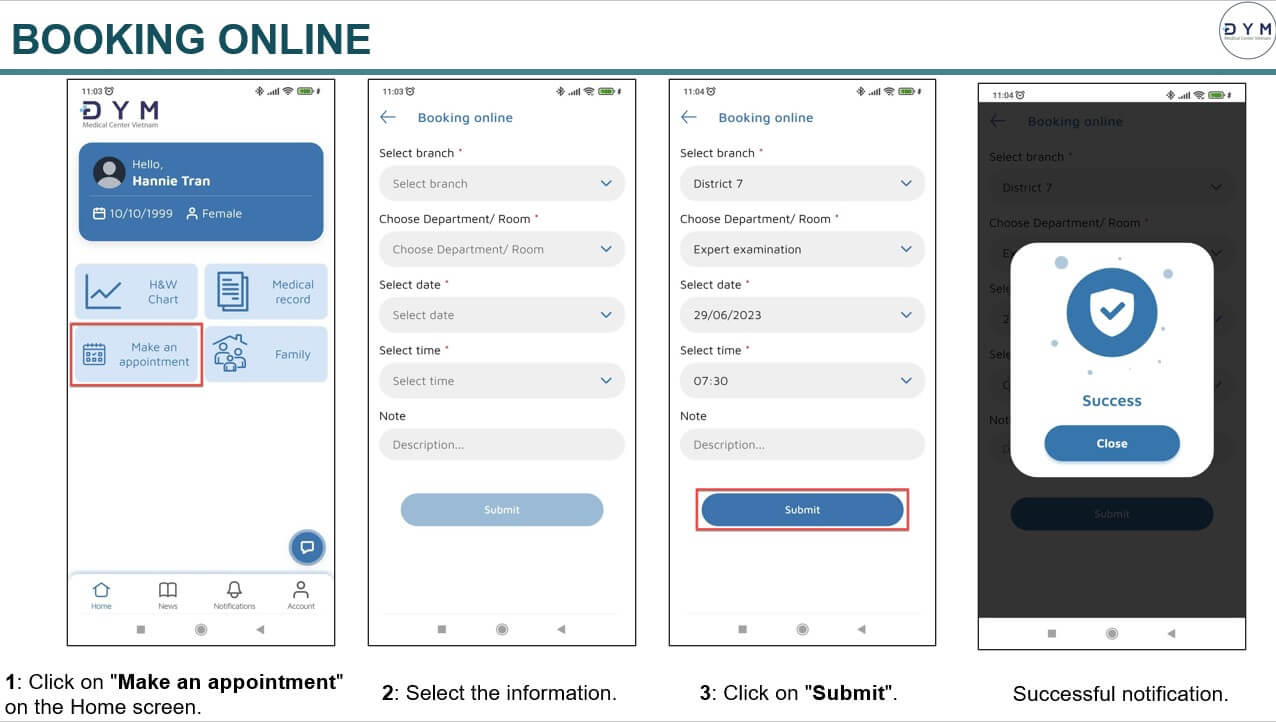
The OMRON and VNVC screens show public app views. Their case studies describe Twin’s original delivery and later product developments. See the digital health engineering page for release and integration detail.
Healthcare service environments
Build around the service people need to use.
Prescribing, home measurements and family appointments have different demands. Shape the software around the person, the relevant record and the next authorised action.
Prescription and pharmacy services
Carry a prepared prescription into authorised review without losing the patient or prescriber context. ScriptStream illustrates this specialist workflow; applicable health-service connections and approvals are scoped for each release.
Connected health
Give users earlier measurements alongside the latest reading. The OMRON Connect case shows the connected-device journey; account matching, timestamps and transfer status support that history.
Patient and family services
Let patients return to appointment details and permitted records between visits. Compare DYM’s booking and check-in journey with VNVC’s family vaccination history; account verification and family permissions govern access.
Healthcare and life-science operations
Support specialist reviews, programmes, cases, stock or service activity. Define the record, reviewer, decision and completion state, including work shared with suppliers or other partners.
Continuity across the service
Help the next team continue the service.
Keep patient or account identity, relevant history, practitioner authority and the current stage together. Make review decisions and external-service responses clear to the person receiving the work.
When a request is rejected, delayed or incomplete, show the response and who will correct or investigate it. Preserve the earlier activity so the next team can continue without reconstructing the service from separate records.
Choose a starting point
Support the relationship around the care journey.
For non-clinical enquiries and follow-up, choose the capability needed alongside the health application. Define the communication purpose and permitted information before connecting it.
Twin CRM
Keep non-clinical enquiries and service follow-up with a responsible staff member.
Explore Twin CRM ↗PangoCDP
Use permitted customer information and preferences for relevant reminders and follow-up.
Explore PangoCDP ↗Specialist applications
Connect booking, records or specialist operations with the patient and staff application.
Explore digital health engineering ↗Employee engagement
Employee participation at Pfizer.
A Pfizer Vietnam internal event combined action-based play, quiz questions and a leaderboard. The story shows how a short interactive experience encouraged staff to take part in an event.
Before we begin
Shaping your health-service programme
Can you work around an existing booking or clinical system?
Yes. We assess the interfaces, identifiers, data access and workflow before recommending configuration, integration or a specialist application. The existing system can remain responsible for the records and functions it already supports.
How can customer communication work alongside a health application?
Keep clinical and operational records in the systems responsible for care. A separately scoped customer programme can support permitted service information, enquiries and follow-up through Twin CRM, PangoCDP or existing tools. Define which information may be used, the communication purpose and who handles a response before connecting the systems.
What information is useful for an initial discussion?
Bring the service goal, the people using it, the current systems and the work that is difficult to complete. We can then define discovery and the relevant technical, data and release requirements.
Clarify the service environment
Discuss where your health service needs better software.
Describe the step that is hard to complete, who carries it out and the record or service they depend on. An outline of the process is enough to start.
Do not include patient records, credentials or other sensitive information in an initial enquiry.