Current stage
Define the decision that needs to improve.
Define the decision, the accountable owner and what a useful response must contain.
- Clear business question
- Named decision owner
- Useful response agreed

Data foundations · Governance · Reporting · Analytics · Practical AI
Most organisations have more data than they can use confidently. Records sit in different systems, important measures mean different things to different teams, and reports often arrive without enough context to act.
Twin Global establishes the foundation first: clear ownership, reliable data movement, shared definitions and visible quality controls. Reporting, analytics and AI then support a defined decision rather than becoming disconnected technology projects.
Decision before dashboard
Name the decision that is slow, disputed or poorly informed. That question determines which sources matter, how current the information must be, who owns the result and where the next action belongs.
Current stage
Define the decision, the accountable owner and what a useful response must contain.
Define the question and owner.
Identify the systems of record and accountable owners.
Validate the data and agree business definitions.
Create repeatable views and decision context.
Evaluate the task, keep human review and return the result to the workflow.
Data foundations people can understand and support
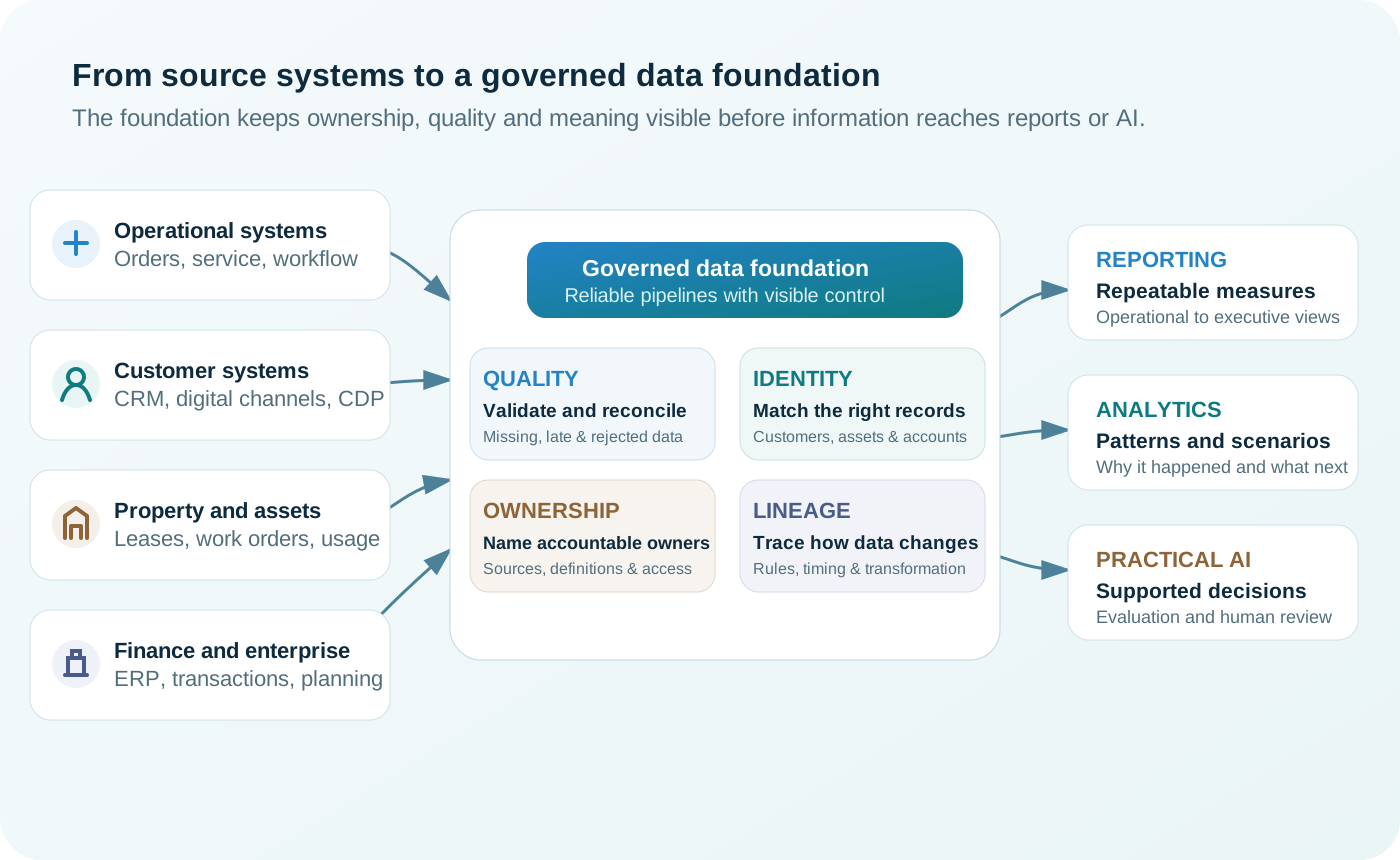
We connect applications, databases, files and external sources using the simplest reliable pattern that fits the required timing, volume and source constraints.
The technology may be a data hub, warehouse, lakehouse or a focused reporting store. The important questions are practical: which source owns each fact, how identities are aligned, when data is updated, how transformations are traced and how rejected or missing records are corrected.
Use controlled batch or event-driven movement with visible schedules and dependencies.
Check required fields, identifiers, duplicates, timing and completeness before use.
Trace transformations and make rejected or incomplete processing easy to investigate.
Assign responsibility for sources, definitions, access and correction.
Shared meaning and practical governance
Teams can use the same term while measuring different things. “Active customer”, “completed order”, “occupancy” or “service case” needs an agreed definition, an accountable owner and traceable calculation logic.
Governance should help delivery rather than create a separate bureaucracy. It clarifies who may access information, how consent and retention are handled where relevant, how definitions change and who resolves disputed data.
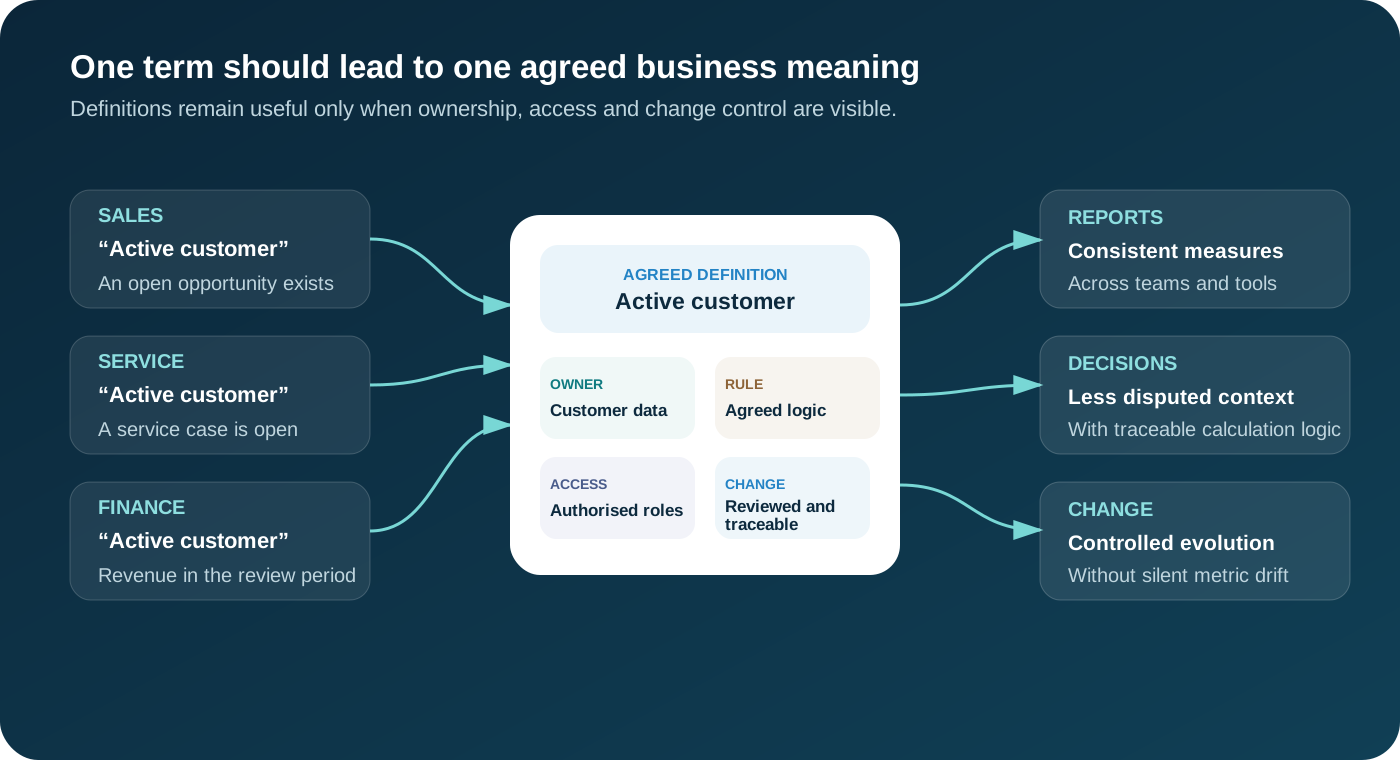
Agree what important terms and measures include, exclude and calculate.
Make authorised use, accountable owners and correction routes explicit.
Record source logic and control changes before they silently alter reports.
Apply clear access and handling controls where customer, employee or other restricted data is involved.
Reporting that leads to investigation and action
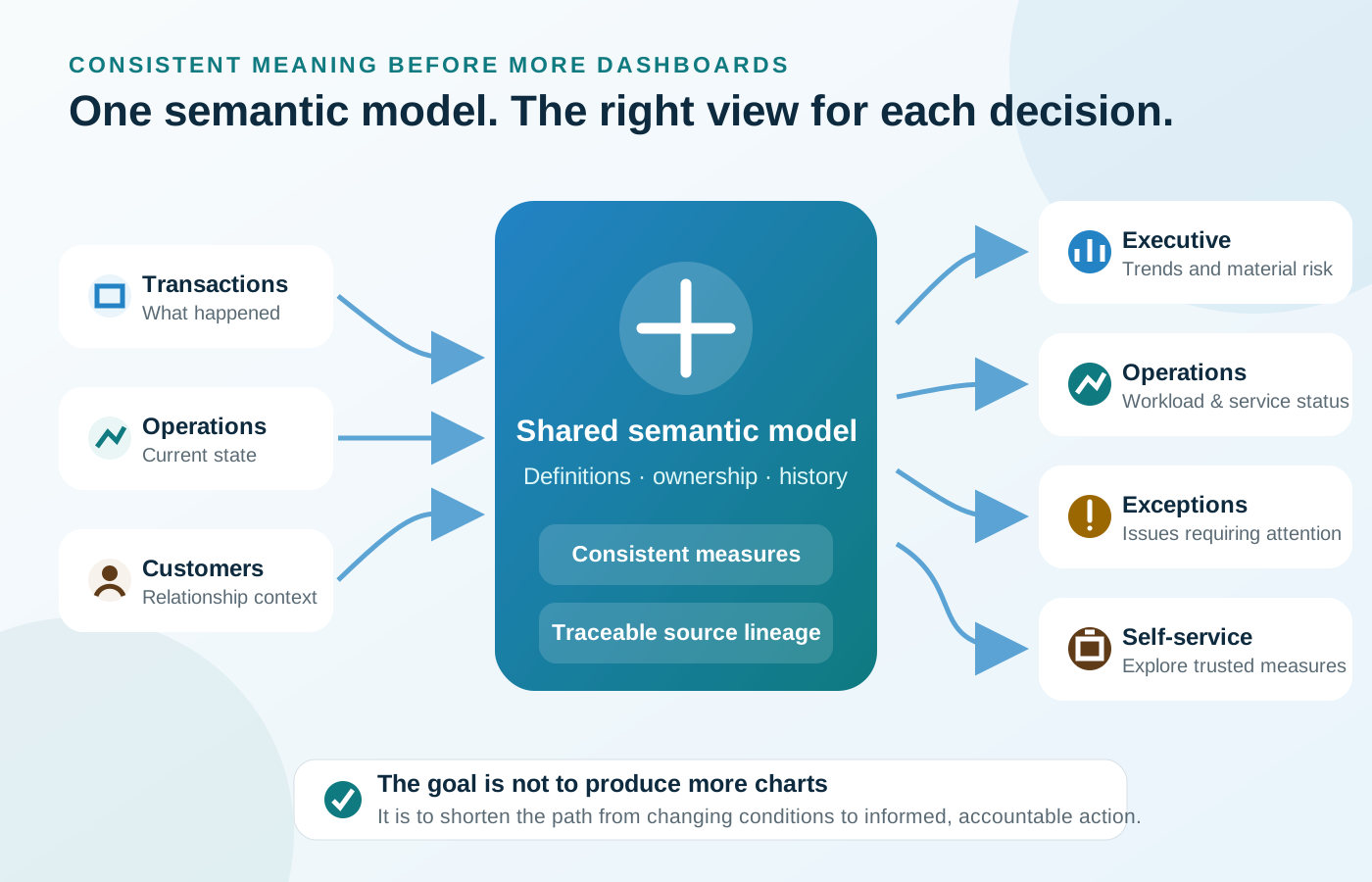
Reliable reporting moves from repeatable measures to useful context. Operational teams need workload and exception views. Managers need trends and causes. Executives need material changes, risks and investment signals.
Analytics then helps people move from what happened to why it happened, which patterns matter and which scenarios deserve attention. The objective is not more charts. It is a clearer route from information to action.
Show workload, blocked tasks, late inputs and the next responsible action.
Compare teams, periods and processes using consistent business measures.
Focus attention on significant movement, risk and strategic choices.
Allow authorised teams to investigate without recreating definitions in every tool.
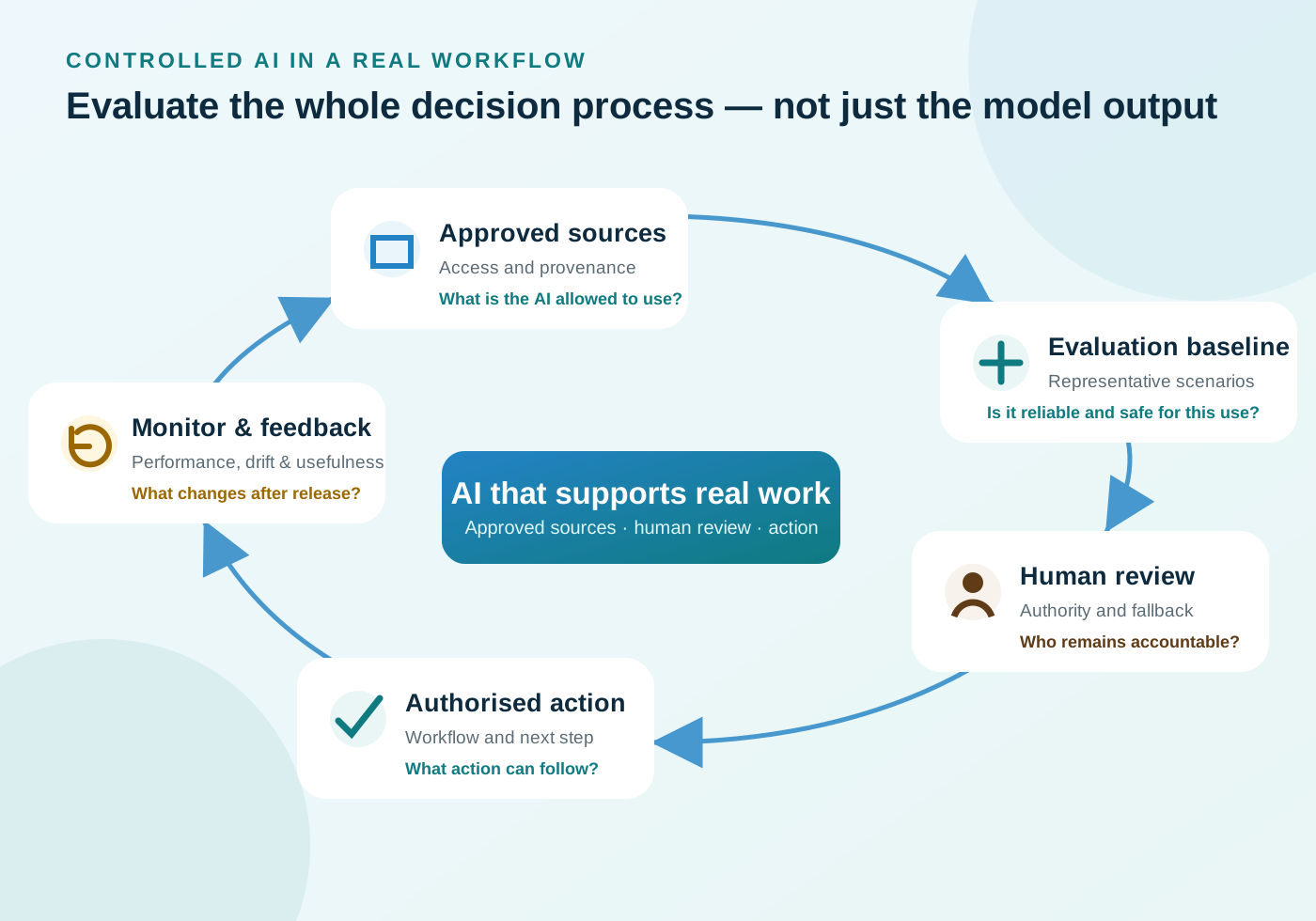
Practical AI tied to a real workflow
Useful applications may classify records, extract information, forecast demand, detect unusual activity, prioritise work, recommend a next step or help authorised users find approved knowledge.
Before deployment, agree the task, representative test cases, acceptable error levels and the cases that must be reviewed by a person. Reviewers need enough source context to assess the result, record corrections and escalate uncertainty.
State what the system may support and what remains a human responsibility.
Show the information behind the result and communicate uncertainty honestly.
Provide a route when the output is wrong, incomplete or unavailable.
Monitor material changes in data, behaviour and results as the service evolves.
Customer data within the wider enterprise data foundation
PangoCDP brings customer profiles together, enables segmentation and connects journeys across digital channels. Twin CRM adds customer, sales, relationship and service records, while bespoke operational platforms can provide data from property, leasing, occupancy, resident services, fees and work orders.
Together, these sources can support broader reporting and analysis. To create a reliable enterprise-wide view, they must also be aligned with finance, ERP, operational and external data through shared standards for data quality, governance and ownership.
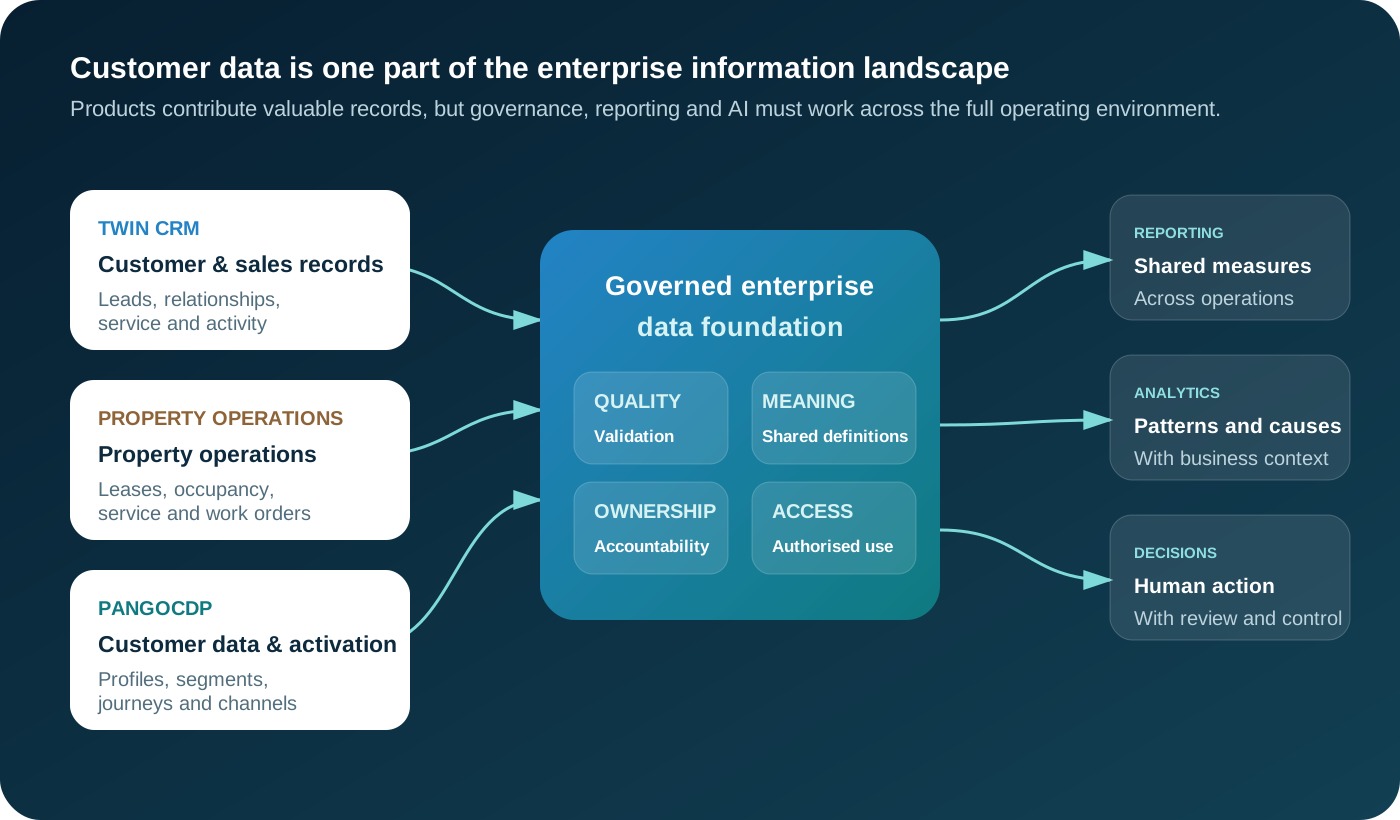
Operational customer, sales, relationship and service data.
Explore Twin CRMProperty, leasing, occupancy, resident-service, fee and work-order data from bespoke operational systems.
Platform and workflow engineeringCustomer profile unification, segmentation, journeys and activation.
Explore PangoCDP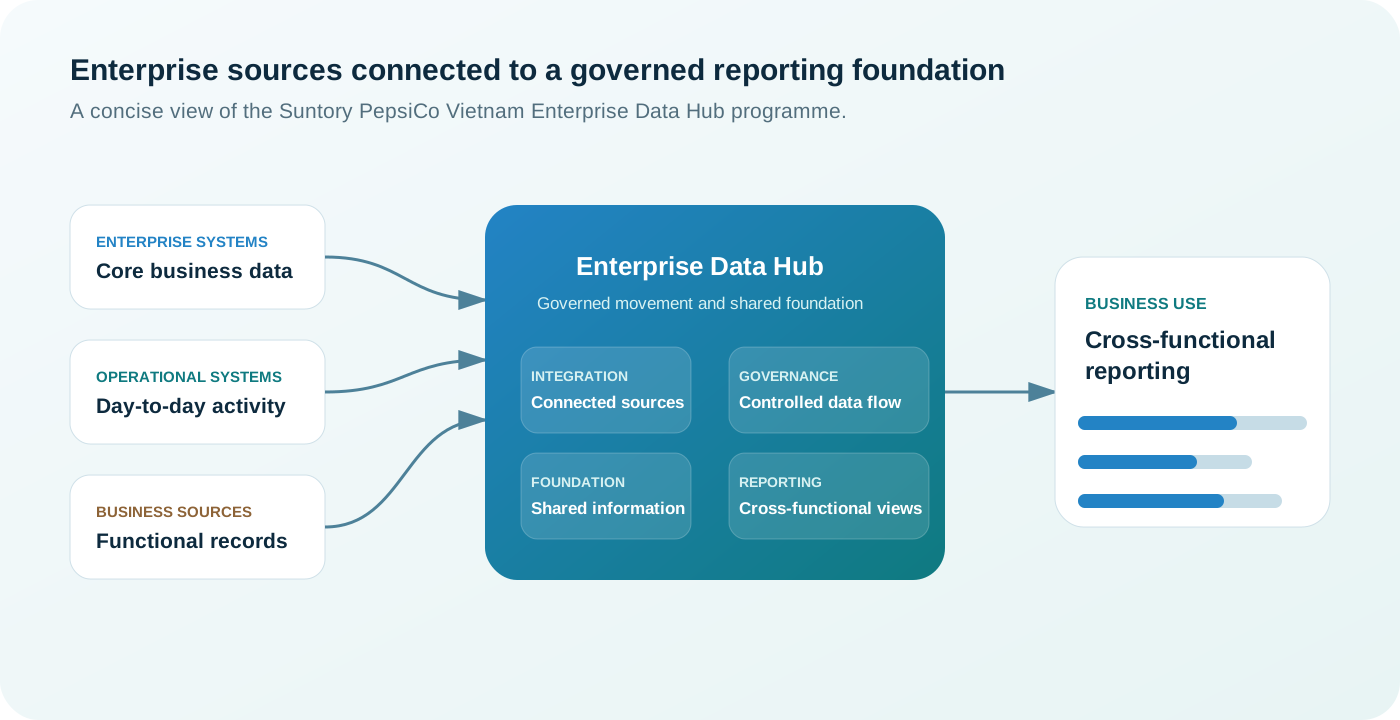
Enterprise data delivery in practice
Twin delivered an Enterprise Data Hub that connected enterprise and operational systems to a governed, shared data foundation for cross-functional reporting and management insight.
The programme shows the value of integrated data, controlled data flows and consistent reporting—and why strong enterprise data engineering does not require AI to be useful.
View the customer storyImprove one decision first
A useful first discussion can focus on the decision, report or defined AI use case that is difficult to support today. A high-level view of the current systems and pain points is enough.