Give campaign interest a useful next step
Coca-Cola Break Uplift connected product QR entry and a voice challenge with points, reward exchange and saved benefits. The participant had a reason to continue beyond the game.
See the Coca-Cola campaignsCampaigns, rewards and customer participation
Give your campaign a clear route from interest to action.
Connect a qualifying purchase with a reward, invite a customer response or give staff an active part in an event. Twin builds the branded game, entry, rewards and reporting around the action you want to measure.
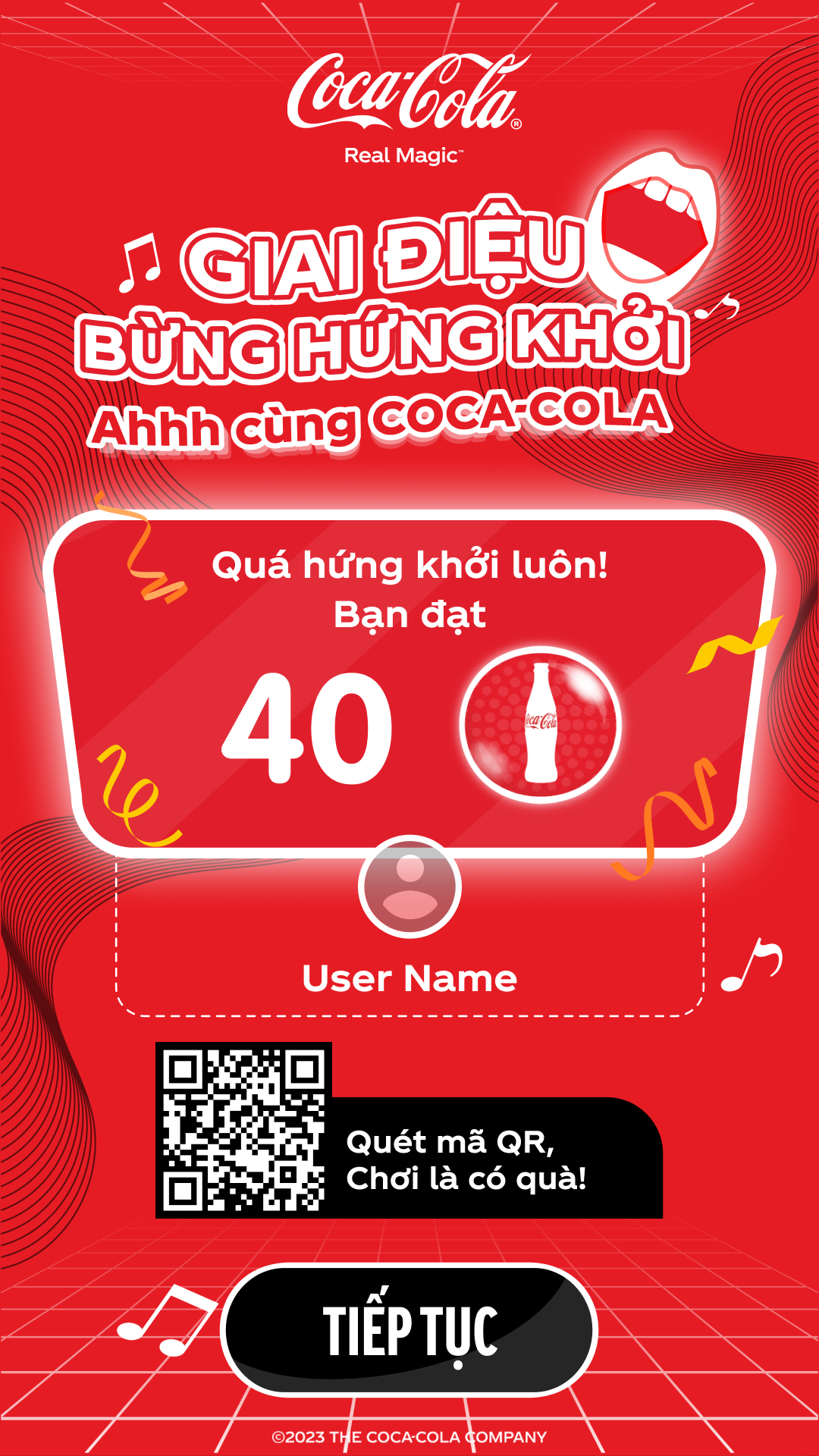
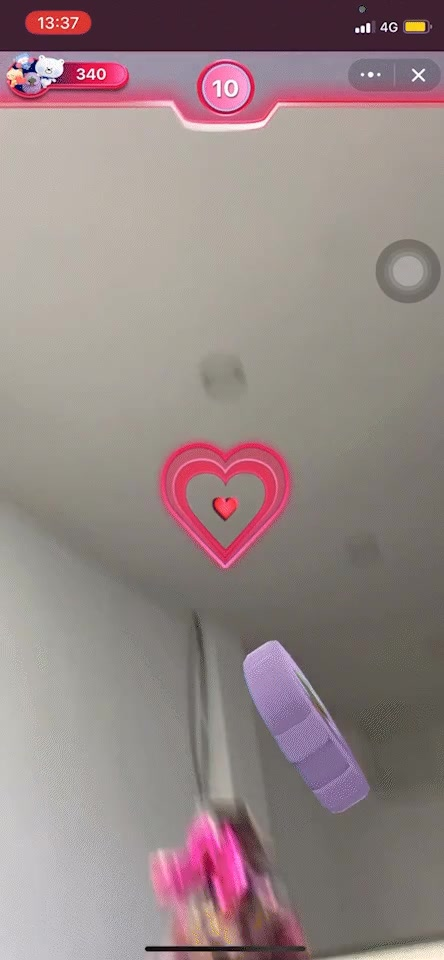
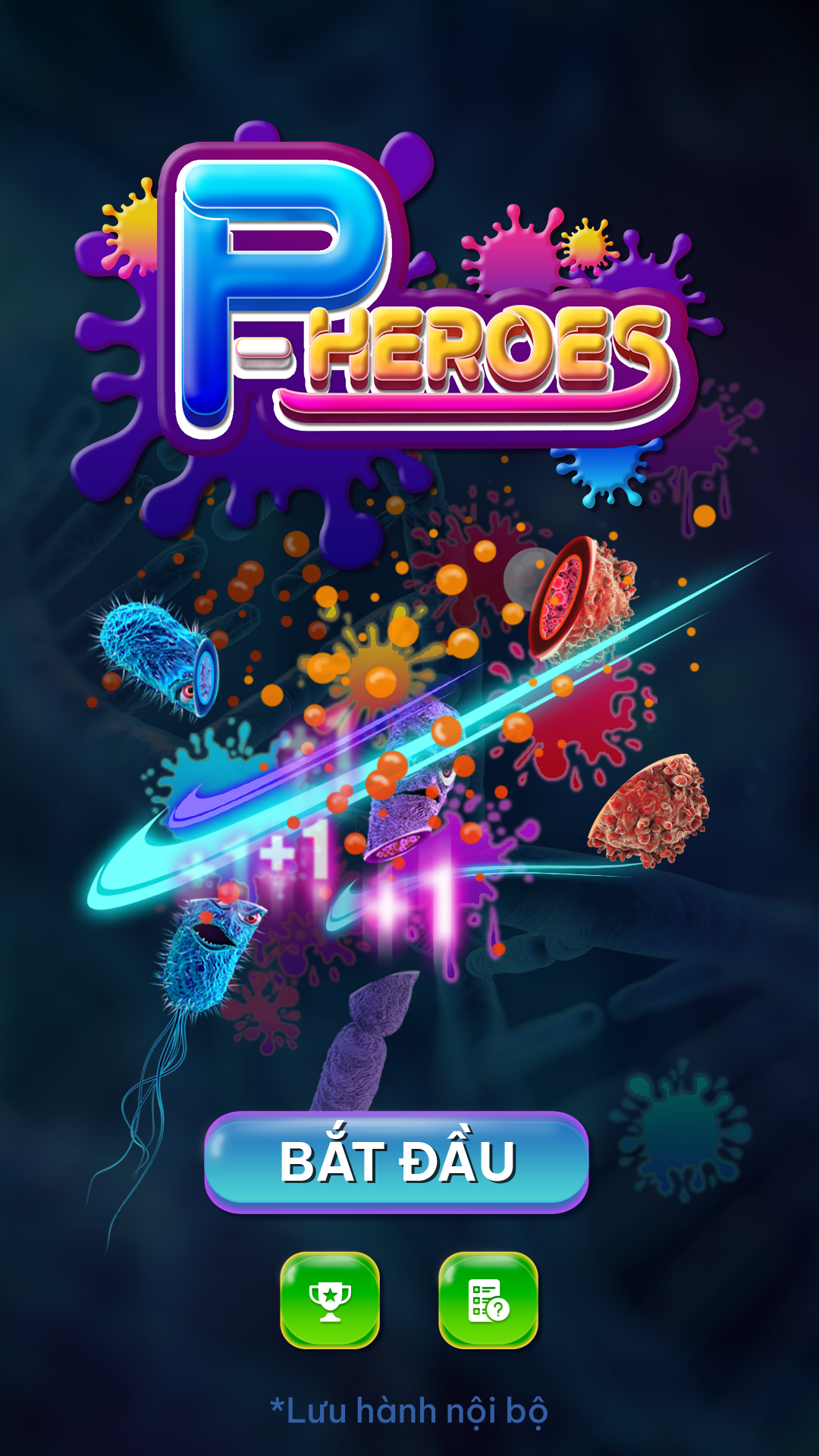
Actual screens from campaign and event experiences. Select a screen to view it in full.
Plan the action
Choose the action before the game format: participation in a brand campaign, a reward after a qualifying purchase or involvement in an employee event. These programmes show what that can look like.
Coca-Cola Break Uplift connected product QR entry and a voice challenge with points, reward exchange and saved benefits. The participant had a reason to continue beyond the game.
See the Coca-Cola campaignsCarlsberg venue staff issued a game code after a qualifying purchase. Customers played on their phones, with the score determining gift eligibility. The purchase, participation and reward had distinct roles.
See the Carlsberg venue promotionAt Pfizer Vietnam’s employee event, a short game combined company questions, scoring and a leaderboard. Staff could take part together using their phones.
See the Pfizer employee eventThe complete campaign journey
A standalone campaign can include the branded interaction, entry, eligibility, rewards and reporting. Add customer profiles or continuing follow-up where the programme needs them. We assess reusable components and custom work before setting the scope.
Scope your engagement programmeGive people a clear route in. Define registration, purchase checks, entry limits and permissions.
Build the branded interaction for the agreed devices and setting, including repeat attempts and interrupted sessions.
Agree qualification, reward availability, issue, expiry and redemption, with an owner for exceptions and participant support.
Report starts, completions and reward status. Connect the records needed to verify a later enquiry, purchase or service outcome.
Actual campaign experiences
Watch the actual experiences behind the examples above, then compare other event formats. Break Uplift and Coke Tết are separate Coca-Cola campaigns.
Consumer campaign · 2023
Players followed a melody with their voices, matching pitch and rhythm to earn points. Entry through product QR codes, campaign links or the Coca-Cola Gifts Zalo Mini App connected the challenge with reward exchange and saved rewards.
Explore Break Uplift and its campaign film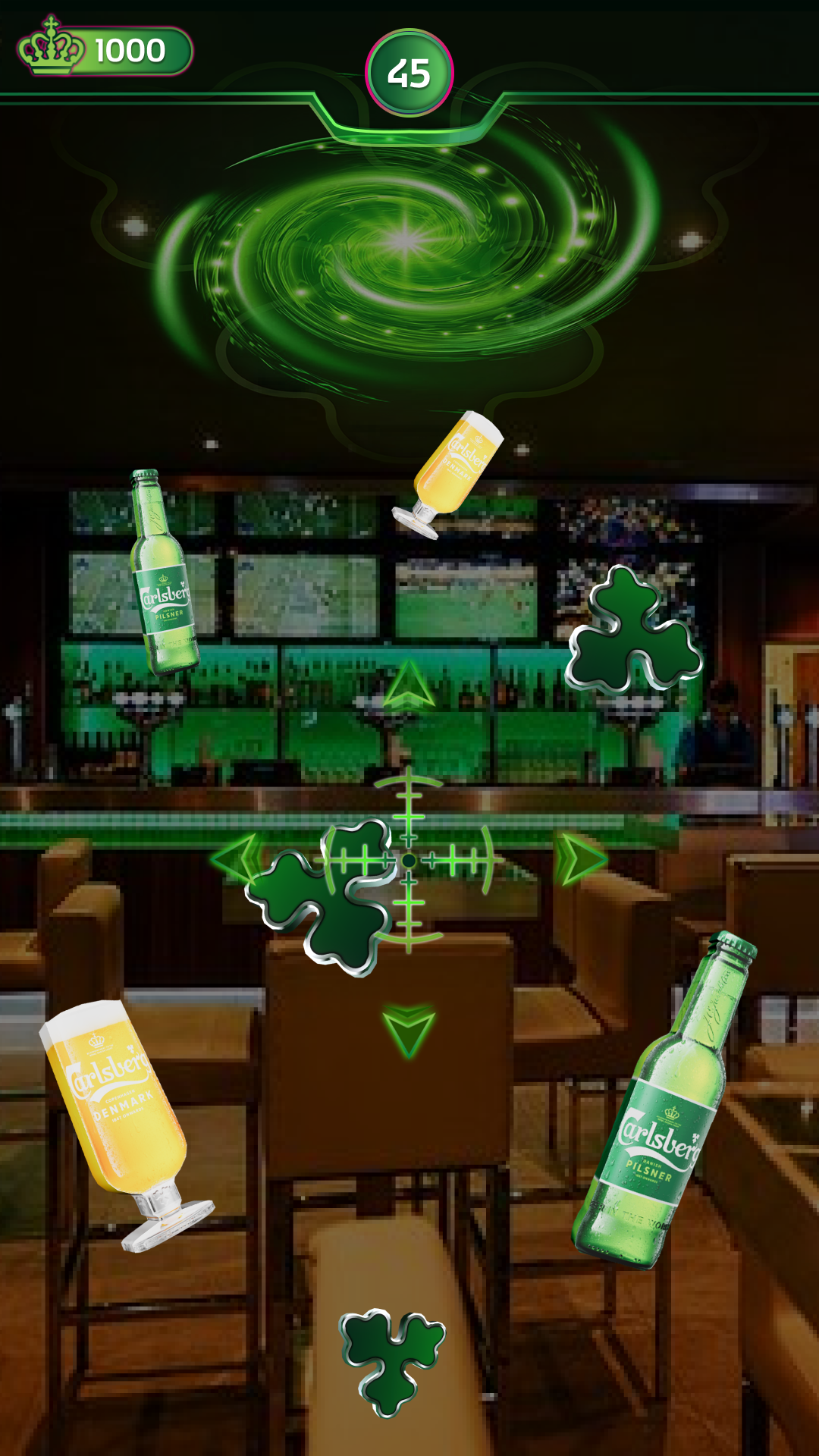
Venue promotion
A qualifying product-combo purchase led to a QR code issued by promotional staff. Customers then captured branded targets in an AR game, with the score determining gift qualification.
Explore the Carlsberg venue campaignEmployee participation
An internal event combined an action-based slicing game with questions, points and a leaderboard on Zalo. Questions could award extra points or allow play to continue, joining event content with friendly competition.
See the game and participant footageNew Year campaign · 2023–24
Participants answered questions, discovered shared responses and created personal New Year greetings for family and friends through a Zalo Mini App. The greeting gave the interaction a meaningful next step.
Explore Coke Tết and the reported activityBranch engagement
For Vietnamese Women’s Day, branch visitors scanned a QR code and used their phone cameras to capture branded targets in an augmented reality game. Scores determined reward qualification within the Zalo Mini App experience. The campaign also aimed to encourage Zalo Official Account follows.
Read the Shinhan Bank storyFestival participation
Festival visitors scanned a QR code and played an AR game on their phones. Capturing branded targets earned points towards campaign gifts such as vouchers and merchandise. The activation was designed to build awareness of Tuborg Ice at the festival.
See the game and festival experienceThese examples ran in Vietnam, using Zalo, a regional messaging platform with Mini Apps and Official Accounts. For your programme, we select the website, application or channel around the audience and the access it supports.
Campaigns and continuing customer relationships
 Coca-ColaCampaigns and rewards
 Heineken VietnamTiger Soju · outlet campaign
 Shinhan BankBranch AR campaign
 PfizerEmployee event
 CellphoneSCustomer engagement
 OMRONHealthGift and HealthCoinsAbbottPangoCDP customer reference
 NutifoodRewards and community
 Highlands CoffeeReceipt-to-reward journey
 Carlsberg GroupPurchase-linked campaign
References include Twin’s campaign and application work and PangoCDP customer programmes. The caption identifies the relevant experience; select a logo for details.
Choose the right interaction
Choose the interaction for the audience and setting. Use a reusable component where it fits, or build the mechanic needed for a distinctive creative idea.
Customer data and follow-up
Decide what should happen after participation: a saved reward, a relevant message or a conversation with your team. Select the customer systems for that next step.
From concept to operation
Bring the audience, intended action, channel and target launch date. We can assess the creative idea, reusable components, connections and operating responsibilities before proposing the work.
Agree the audience, setting, intended action, launch window and measures. Identify creative approvals and the systems or teams involved.
Map entry through to reward and follow-up. Confirm the mechanic, content, rules and data requirements before detailed build work.
Develop the branded experience, configure reusable components and implement the agreed reward, customer data or operational connections.
Test devices, access, complete journeys and expected demand. Rehearse invalid entries, exhausted rewards and support scenarios with the operating team.
Compare results with the agreed measures. Use drop-offs, repeat participation and customer response to improve the experience or plan the next campaign.
Working with your agency
Your agency can lead the concept, brand and communications while Twin builds the agreed experience and connections. One delivery scope sets out the approvals, launch dependencies and ongoing responsibilities.
Agree what success means
Entry numbers alone cannot explain the whole experience. We define the reporting events and business measures with you, then identify which can be supported by the data available.
Campaign reporting example
Heineken Vietnam operates five breweries and employs nearly 3,000 people, according to its company profile. Its trade network includes outlets, sub-distributors and sales teams.
The dashboard for Đặt hàng liền tay – 1 tỷ chia ngay lists 8,640 outlets and separately records 2,086 outlets that started the game. It also shows game starts for sub-distributors and sales representatives.
The snapshot leaves the date range blank. To calculate a participation rate for an outlet campaign, agree which outlets were eligible and the dates to count.
Heineken Vietnam company profile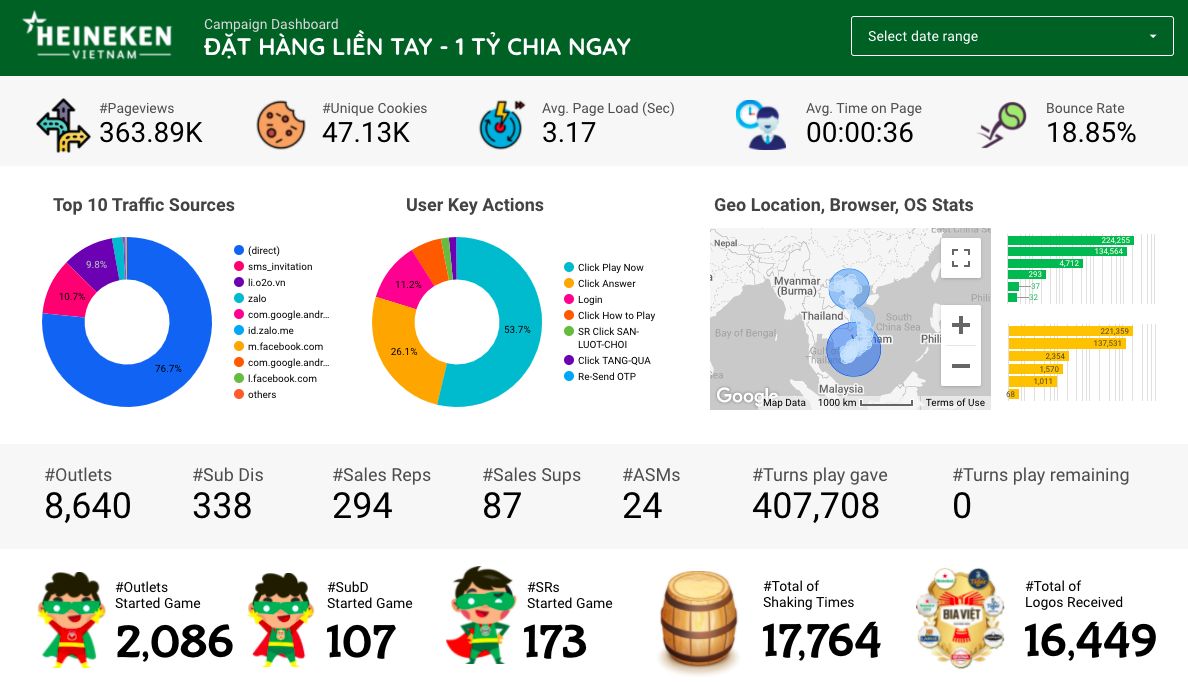
Planning your programme
We can assess a defined concept or help turn a customer engagement objective into a practical first project.
A loyalty programme sets out an ongoing relationship, benefits and reward rules. Gamification adds an interaction such as a challenge, progress or play. A short campaign can use it independently, or it can give members another reason to return to a loyalty programme. The right approach depends on the behaviour you want to encourage.
We review the mechanic, design and integration requirements before recommending an approach. Reusable components can suit familiar challenges, while a distinctive creative idea may need custom engineering. If reuse across later campaigns matters, we include configuration, content changes, ownership and support in the scope from the start.
The channel depends on the audience, required interaction and access available. We can scope a web experience or an application integration and assess the relevant platform requirements. The Vietnamese examples on this page use Zalo. For other markets, we select the website, application and communication channels with you and confirm each integration.
We agree the qualifying activity, permitted attempts, scoring and reward rules before development. The scope can include checks for duplicate attempts, issue limits, expiry and exception records, according to the campaign. Reward supply, fulfilment and participant support also need named owners. These requirements are tested as part of the complete journey.
Start with the intended action and agree the reporting events before launch. Useful measures can include starts, completions, repeat participation, qualified entries and reward redemption. Purchases, enquiries or later customer activity need suitable connected records. We keep those measures distinct and avoid treating a game start or account follow as a sale.
The mechanic, creative production, integrations, reward logic, expected demand and approval process shape the work. Twin prepares a scoped proposal after reviewing the journey and launch requirements. The proposal identifies implementation, hosting, third-party services, operation and support responsibilities, with a delivery plan suited to the project.
Client work
Alongside the standalone campaign demonstrations above, these programmes show membership, purchase-linked rewards and a digital voucher wallet.
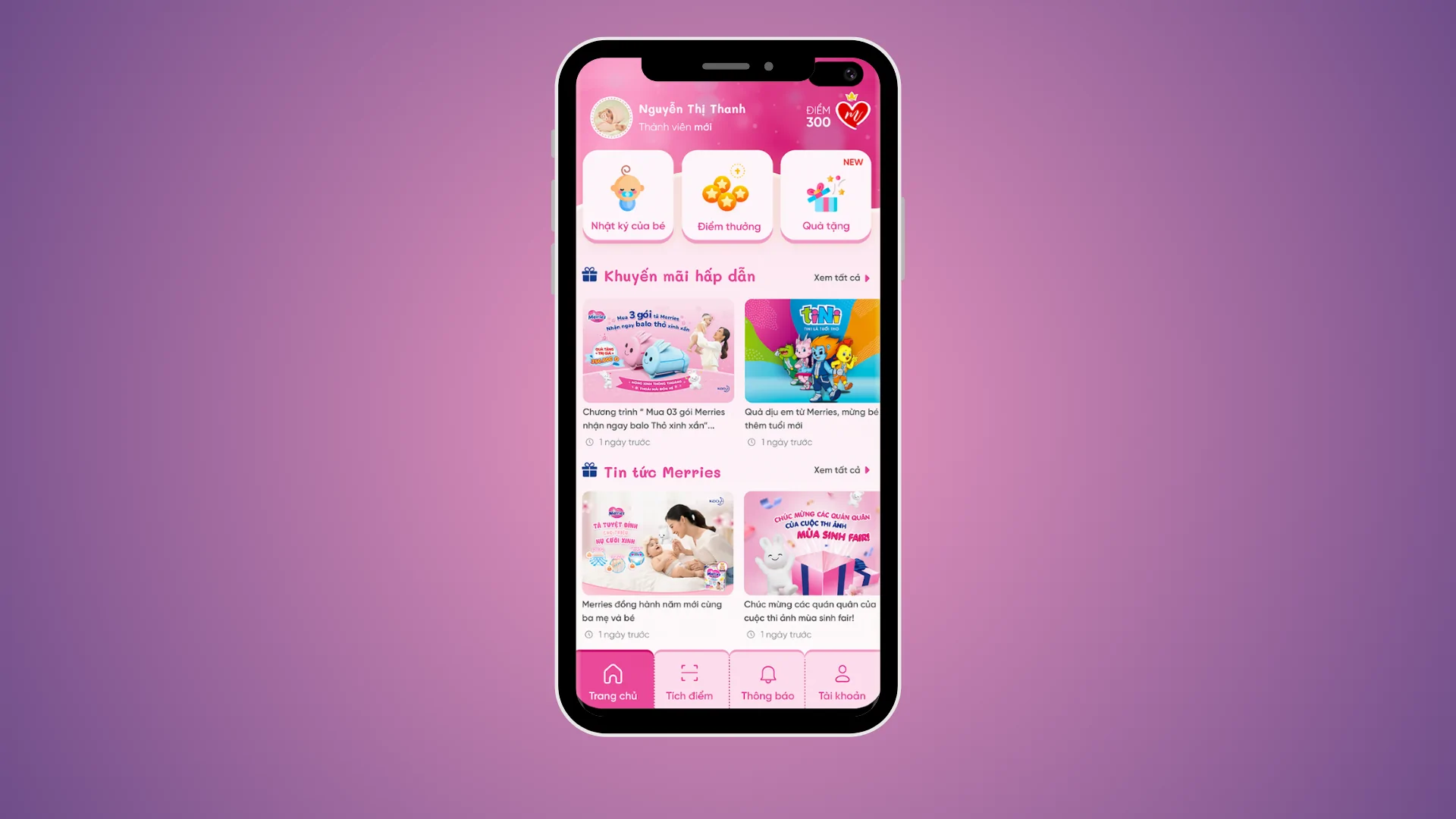
A Twin-built application brought membership points, rewards, mini games, offers and baby-care content into one branded customer experience.
Read the customer story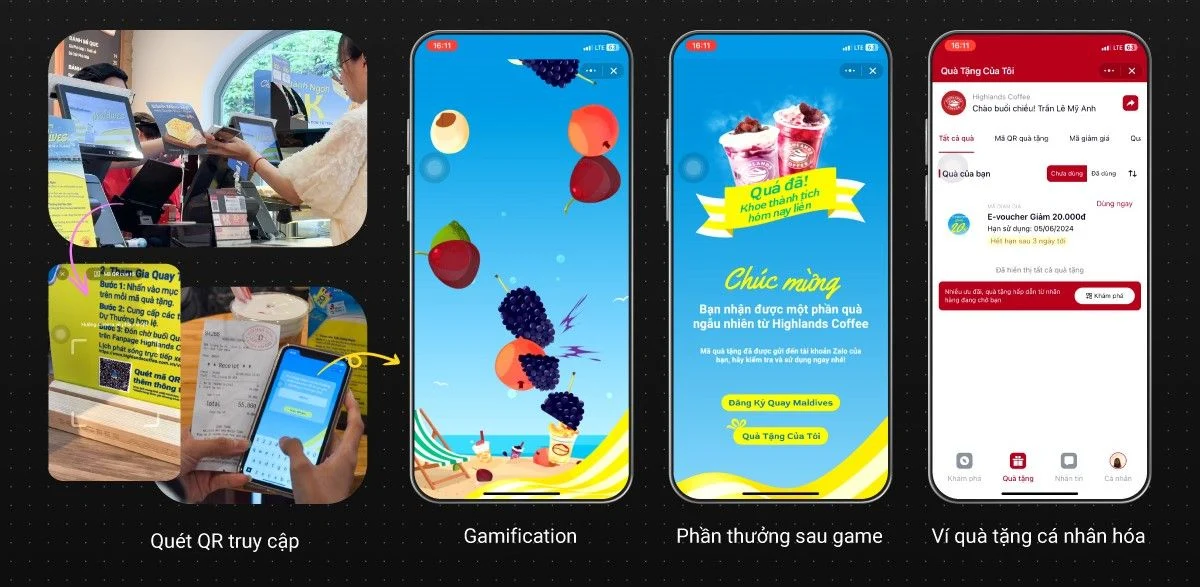
A store receipt code led into Mini App participation and a digital gift wallet, creating a continuing customer channel.
Read the customer story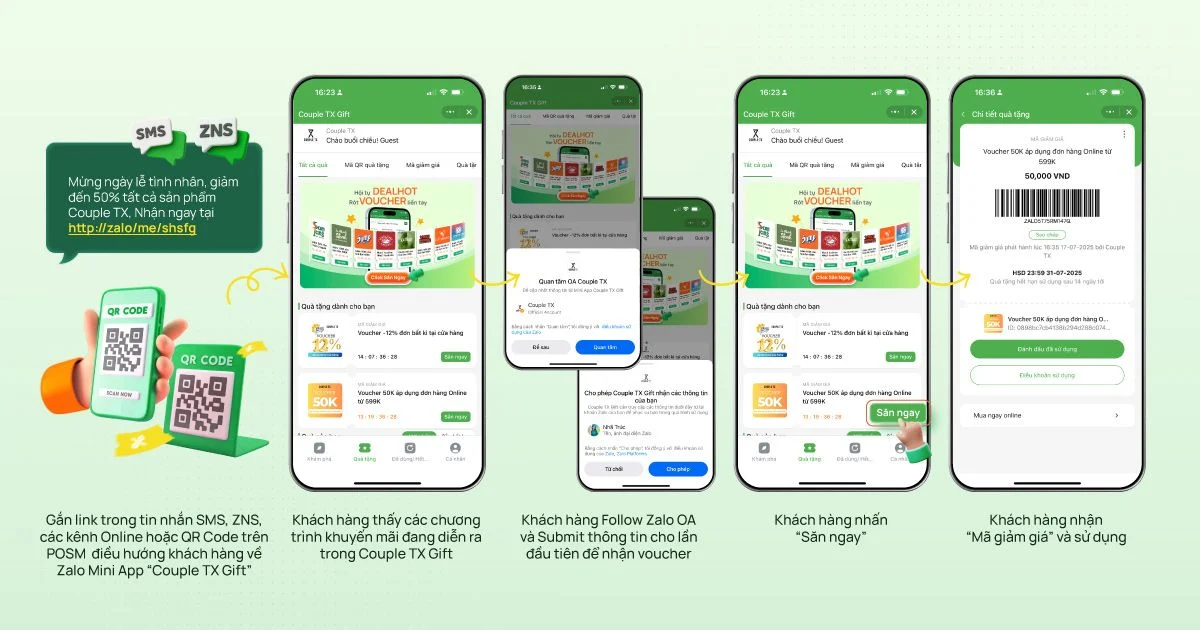
A digital voucher wallet and feedback-led service made customer response useful for the next communication or team action.
Read the customer storyStart with the audience and the action
Tell us who you want to engage, what you want them to do and where the experience will run. We’ll help shape the journey, assess the technical requirements and define a practical delivery scope.